Play Cues
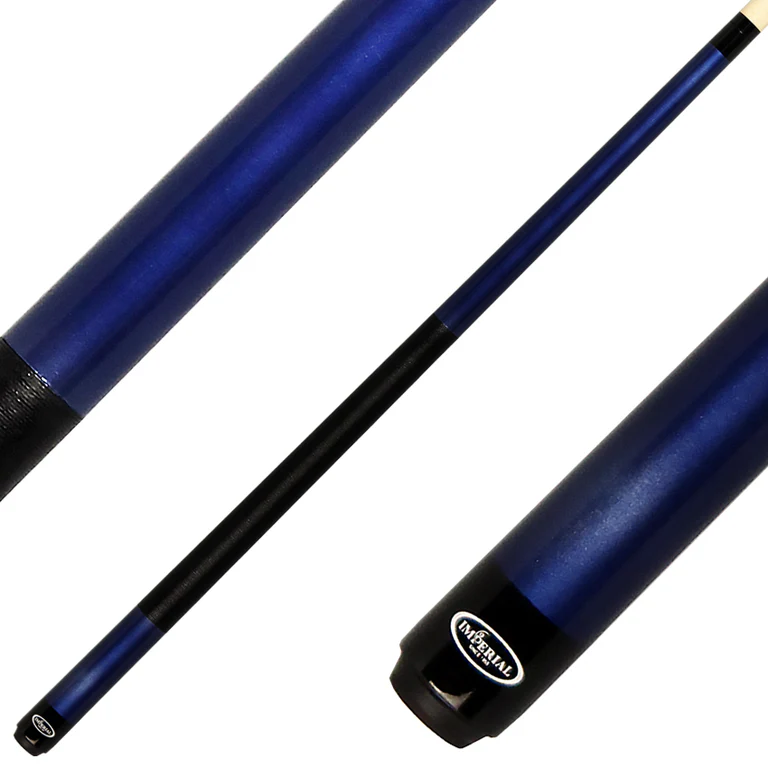
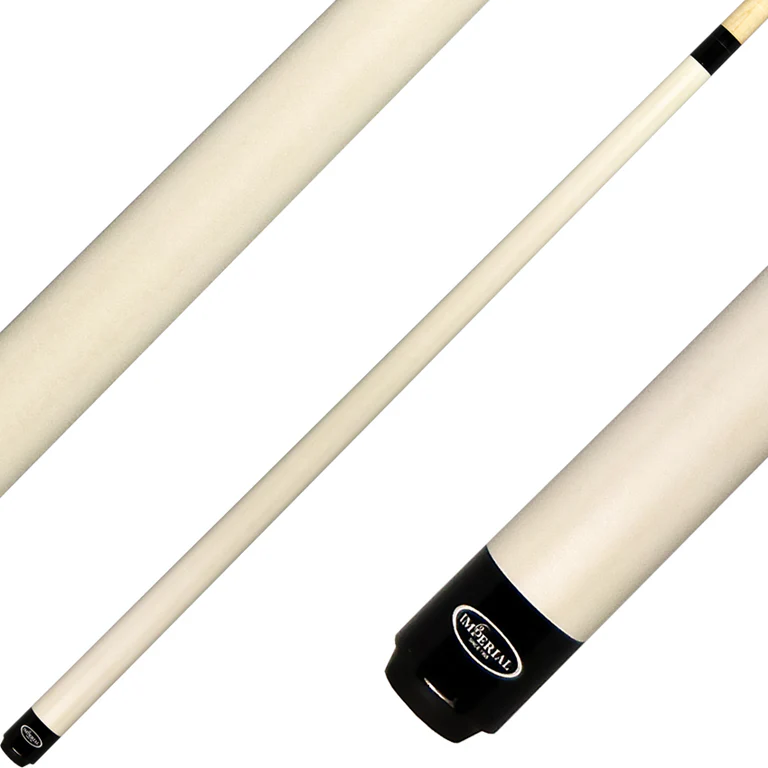
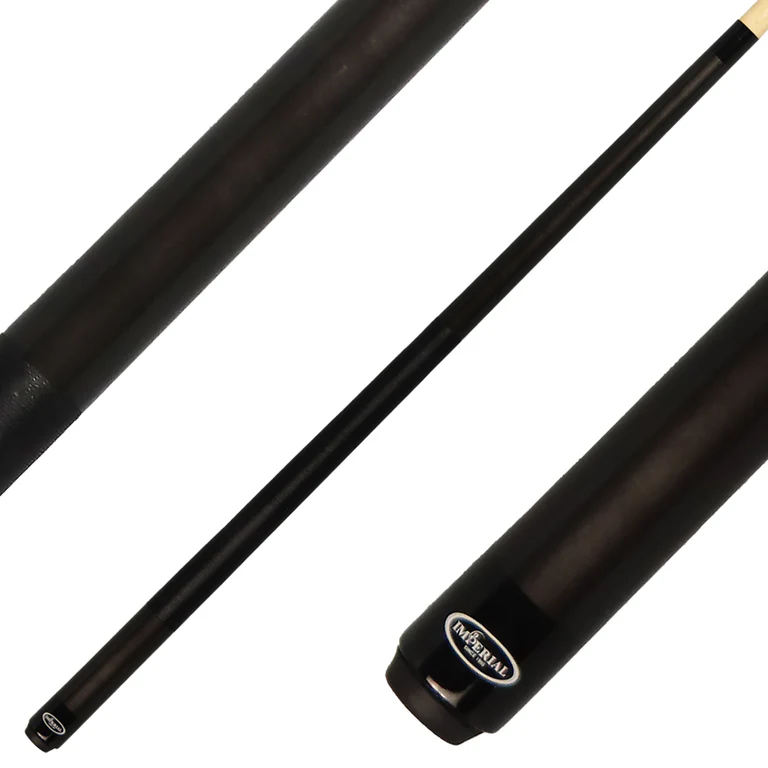
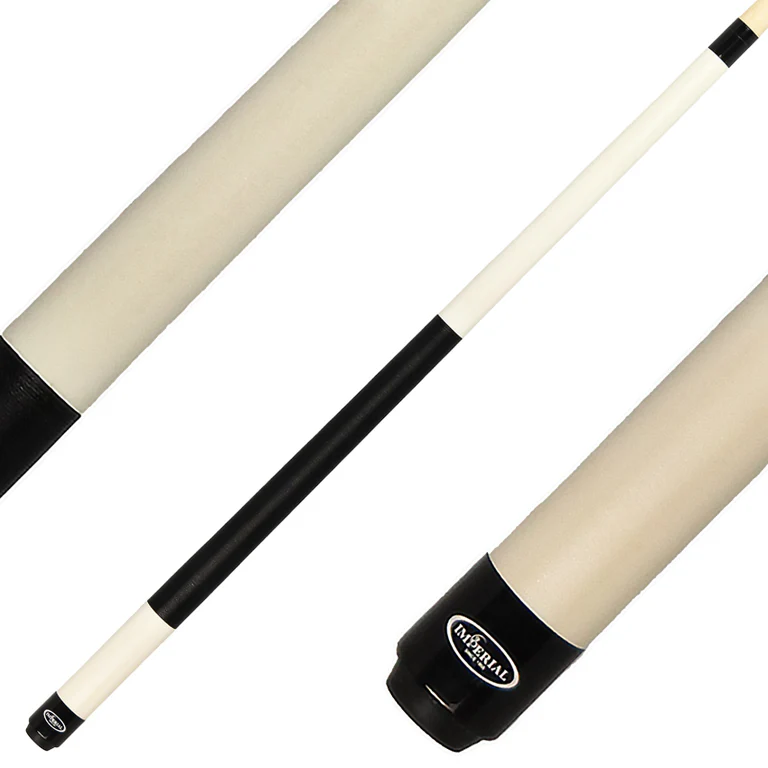
If you’re building a home game room, the play cue is your daily driver. This is the standard pool cue everyone is familiar with, designed for 99% of the shots you’ll take during a game. Unlike specialized cues meant for power or jumping, a play cue is built for "finesse." It’s perfectly balanced at the standard 58-inch length to give you a smooth, comfortable stroke, making it easy for kids and guests to pick up and start playing immediately.
The biggest difference is in the "feel" of the hit. A play cue uses a leather tip that is much softer than the rock-hard tips on break or jump cues. This softer tip acts like a tire on the road—it grips the cue ball, allowing you to control where it goes and how much spin you put on it. For a parent or a spouse, investing in a dedicated play cue means you aren't just playing with a "house stick"; you’re using a tool designed for accuracy and comfort, which makes the game much more enjoyable for everyone at the table.
Jump Cues
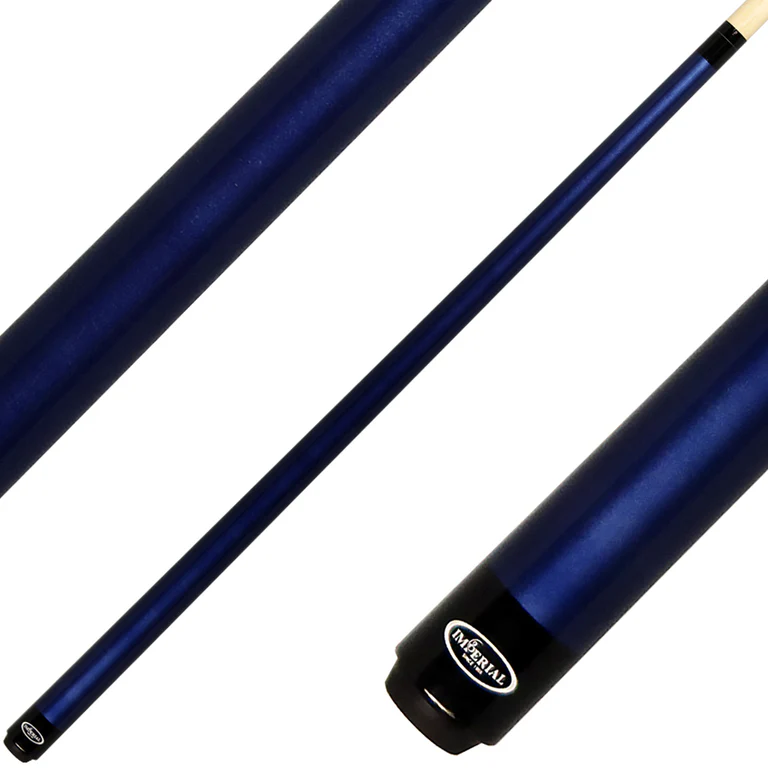
A jump cue is your secret weapon for when a ball is blocking your path. While a standard cue is built for a smooth, long stroke to keep the game moving, a jump cue is much shorter and lighter. Think of it as a specialized tool designed specifically to "hop" the cue ball over an obstacle. It’s shorter so you can easily hold it at a steep angle, allowing you to pull off those impressive "trick shots" without needing the wingspan of a pro athlete.
The main difference is in the build and the tip. Regular cues have soft tips for control and spin, but a jump cue has a rock-hard tip designed for a quick, sharp "pop." It doesn't absorb any energy; it just launches the ball exactly where you need it to go. Whether you're a parent looking to make the game more exciting for the kids or a spouse buying a "cool factor" gift, a jump cue is the ultimate upgrade that makes a home game feel like a professional match.
Break Cues
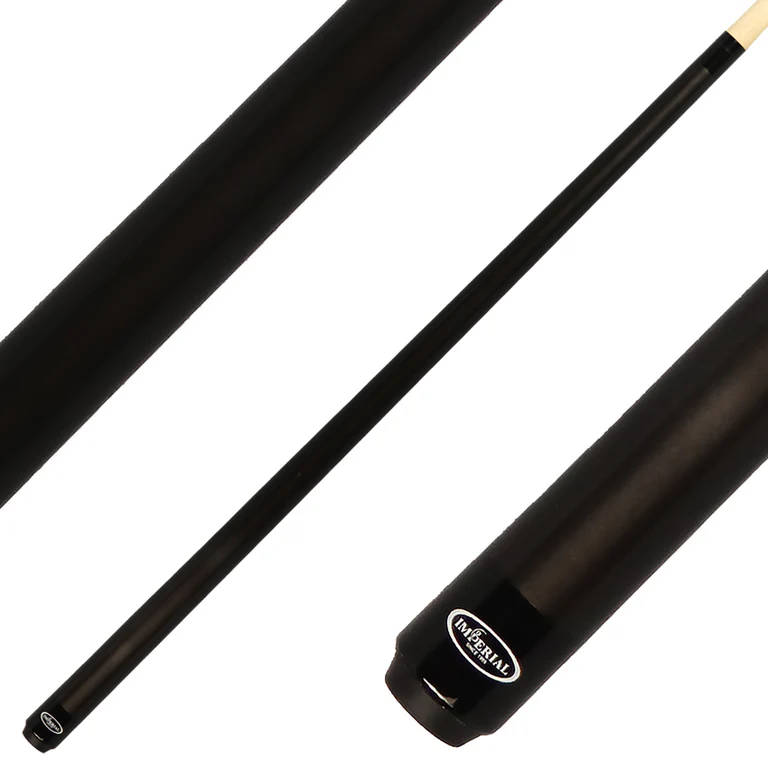
If a standard cue is a precision scalpel, a break cue is a sledgehammer. Its only job is to start the game with a powerful "break" to scatter the balls across the table. Because this initial shot requires a lot of force, a break cue is built much tougher than a regular playing cue. It features a thicker shaft and a rock-hard tip—often made of the same durable resin as the balls themselves—so it can handle high-speed impacts without wearing down or losing its shape over time.
The main difference is that a playing cue is designed for "finesse" and "feel," while a break cue is designed for durability and energy. Using a regular cue to break can eventually mushroom the tip or even warp the wood because it isn't meant for that level of stress. For a home game room, having a dedicated break cue is a smart investment; it protects your more expensive playing cues from damage and gives everyone—from the kids to the guests—the satisfaction of a thunderous, pro-style opening shot.
Short & Kids Cues
Getting your children their own kids' cue is the best way to help them develop proper form and a love for the game without the frustration of struggling with adult-sized equipment. While a standard pool cue is 58 inches long, kids' cues are typically shortened to 36, 42, or 52 inches. This smaller scale allows a child to stand comfortably at the table and complete a full, natural stroke without the "butt" of the cue hitting the floor or their own shoulder.
These short cues are also perfect for those tighter shots we all have in our basement game room. Whether butt up against a wall, support post or furniture, a well balanced shorty cue can allow you to make these shots easily.