Every Cue in the Rack: Understanding Pool Cue Types
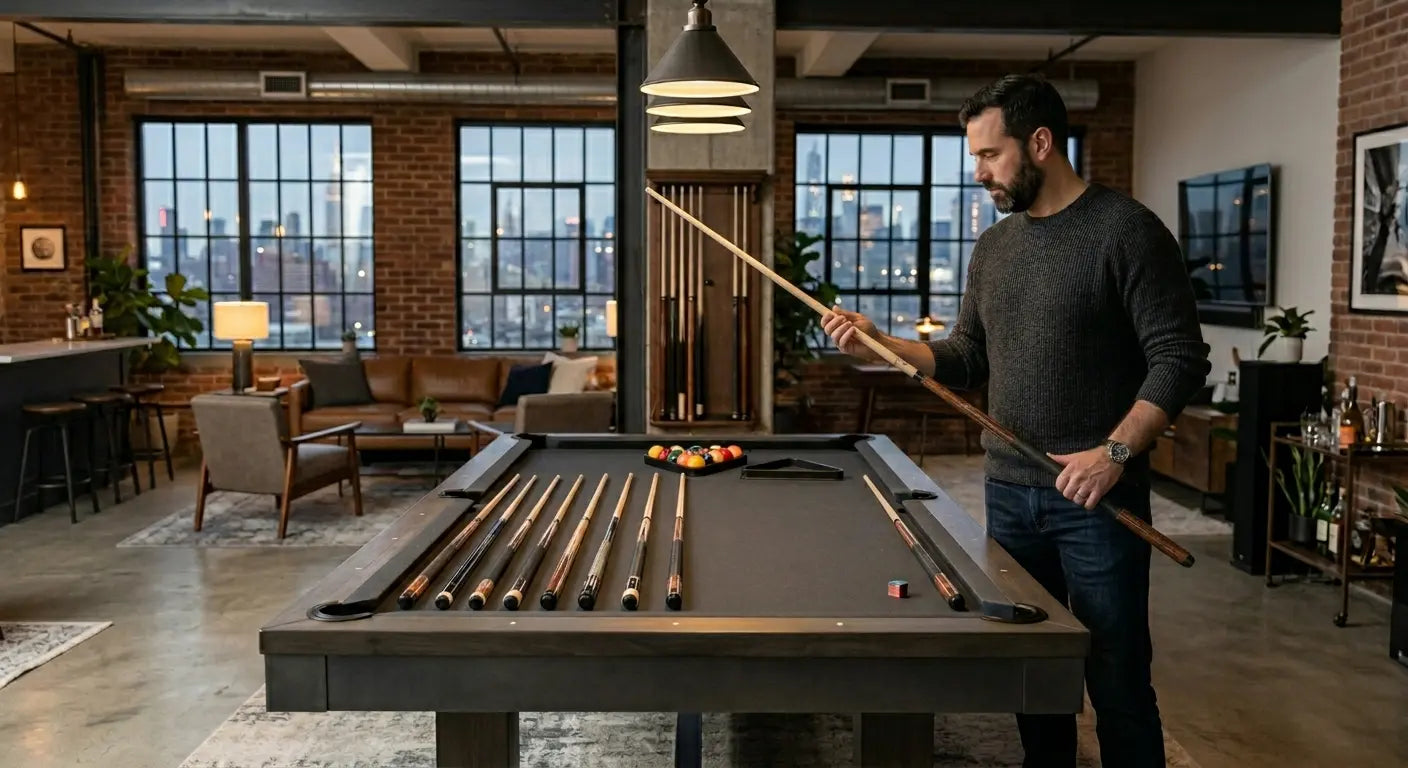
Whether you are setting up a home game room or looking to join a competitive league, understanding the different types of pool cues is essential. While they may all look like simple tapered sticks at a glance, each is engineered with a specific purpose, weight, and tip to handle different aspects of the game.
Here is a breakdown of the most common cues you’ll encounter and what makes each one unique.
Pool Cue Types
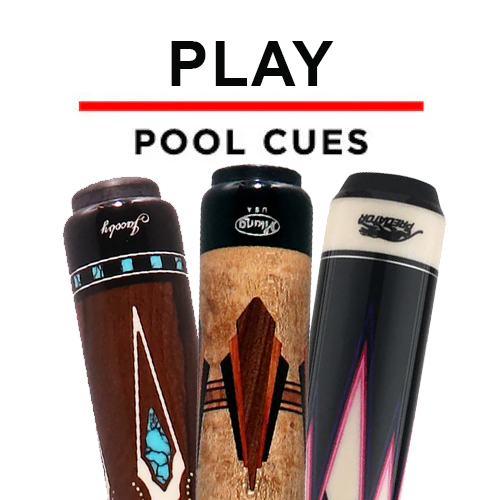
Play Cue
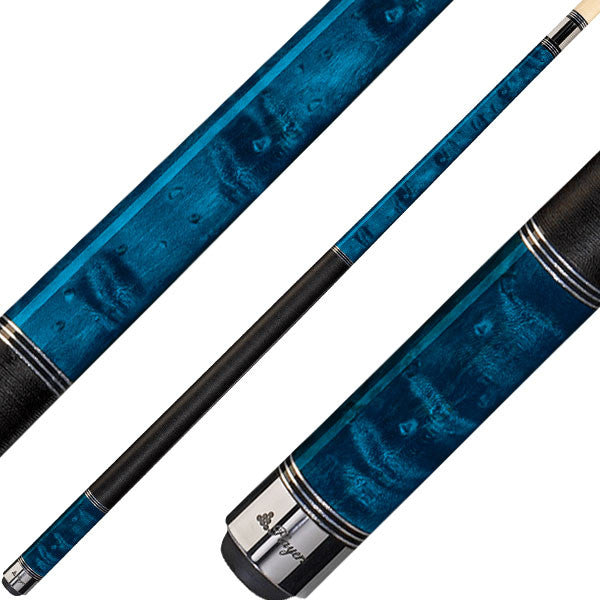
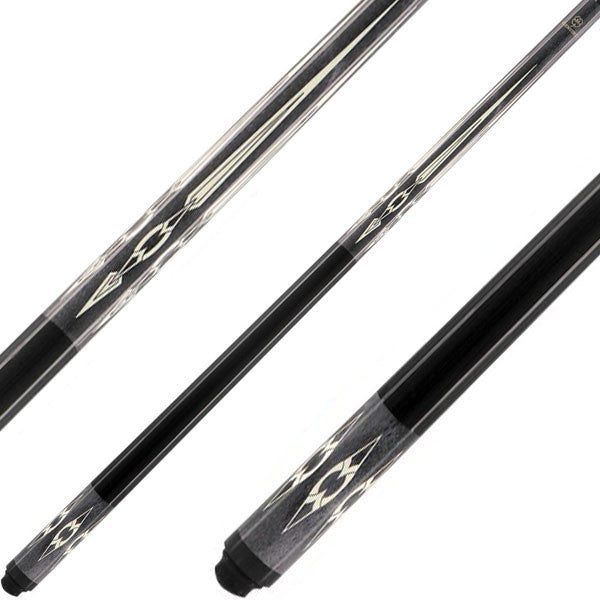
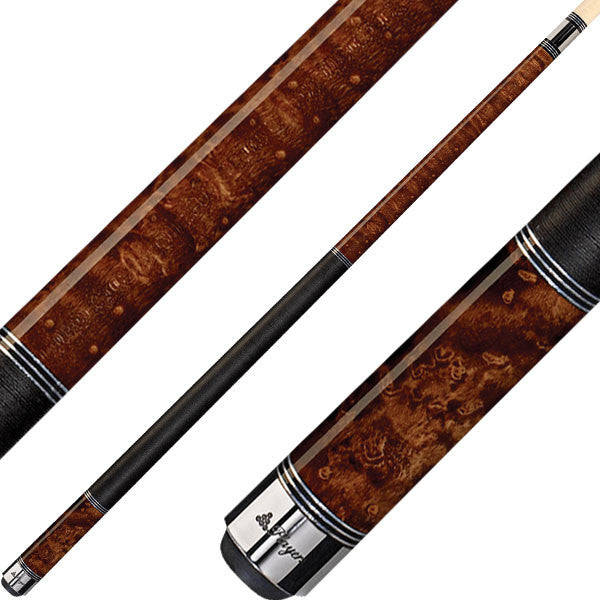
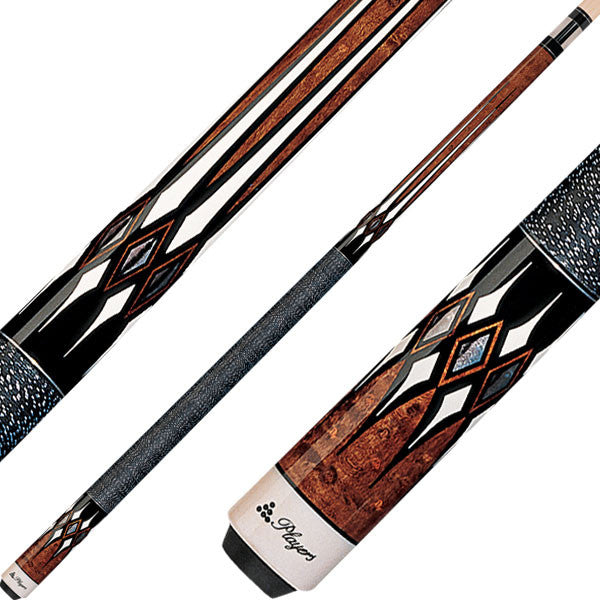
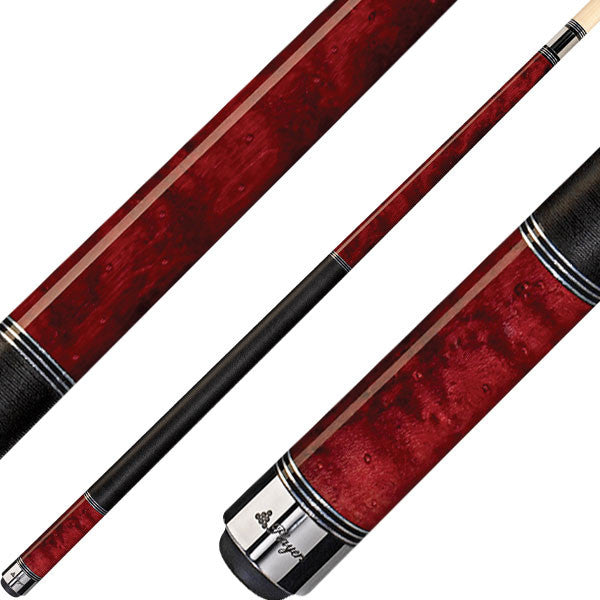
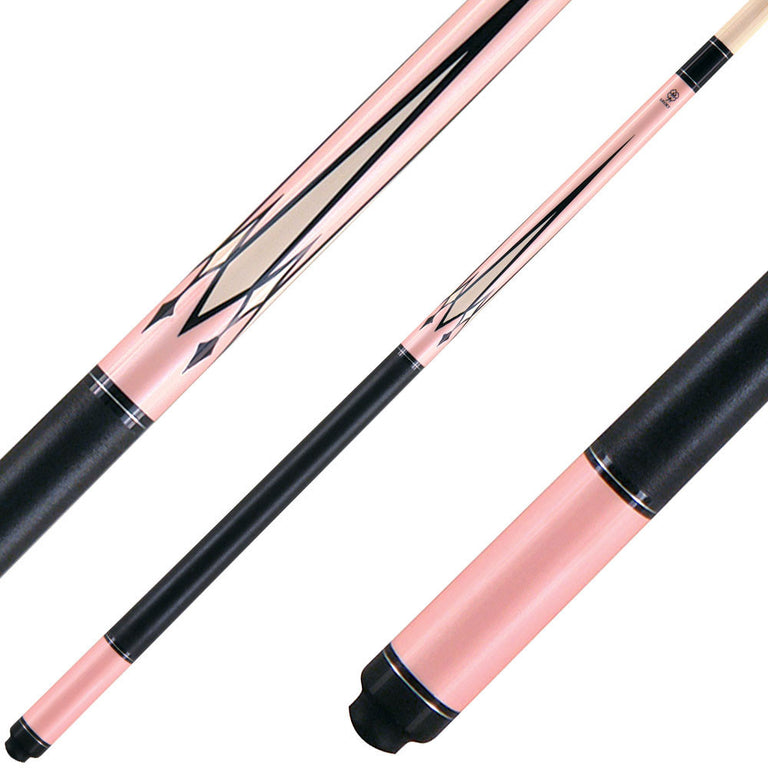
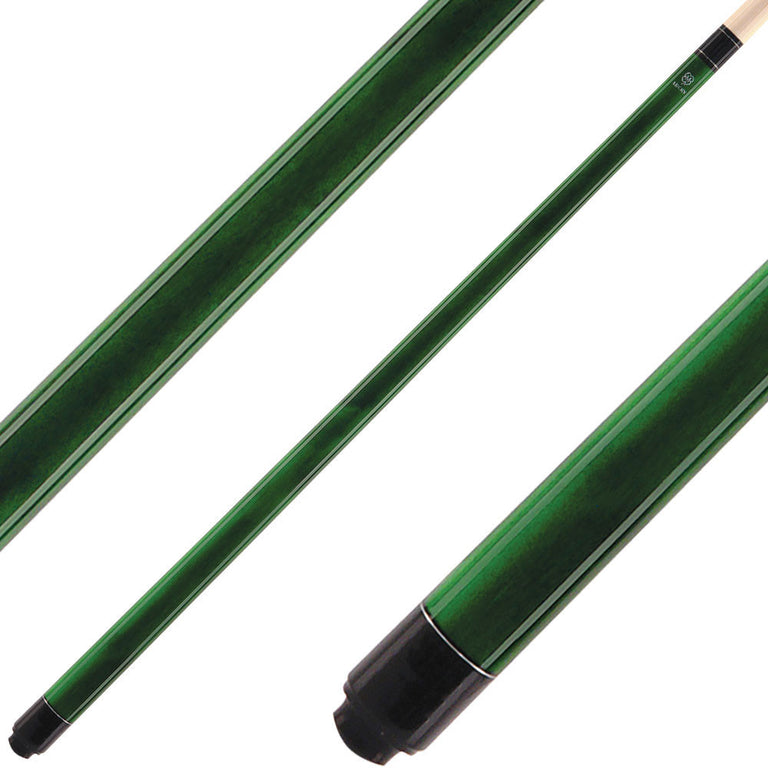
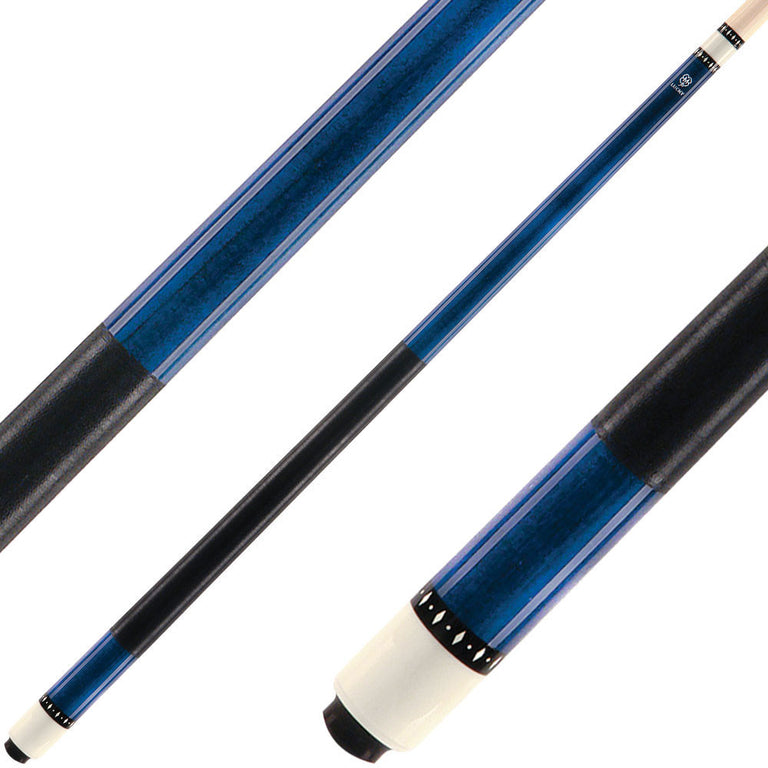
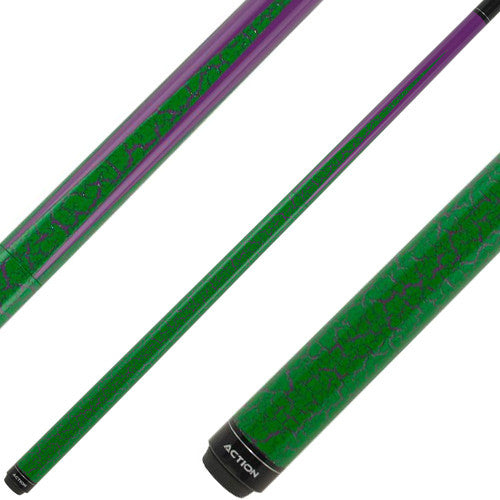
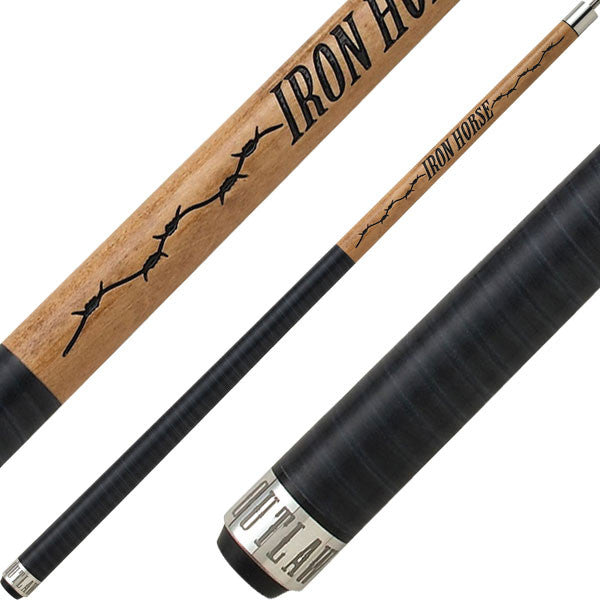
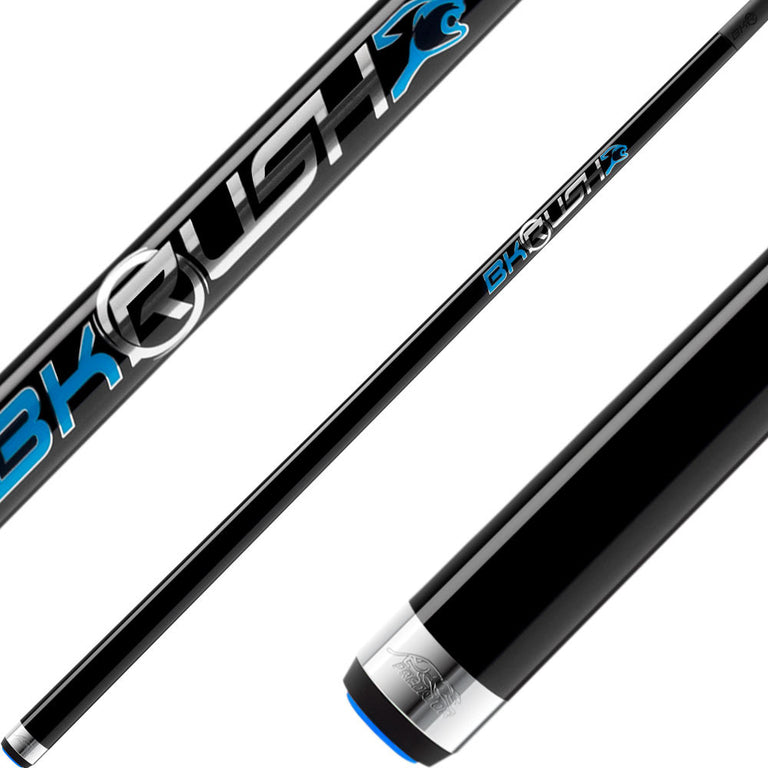
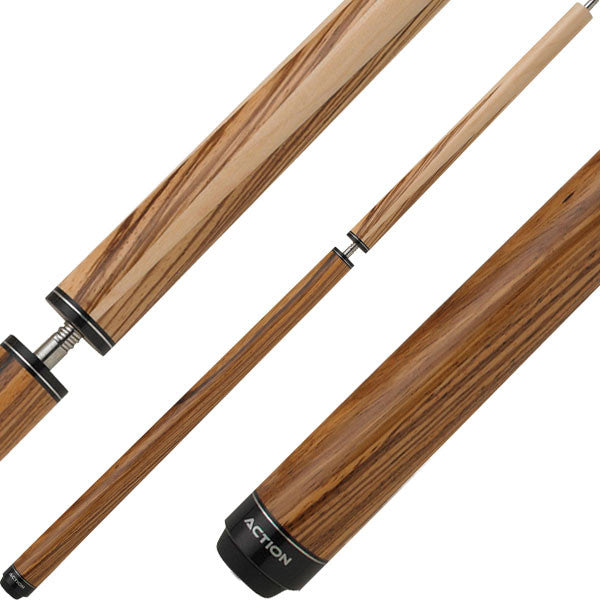
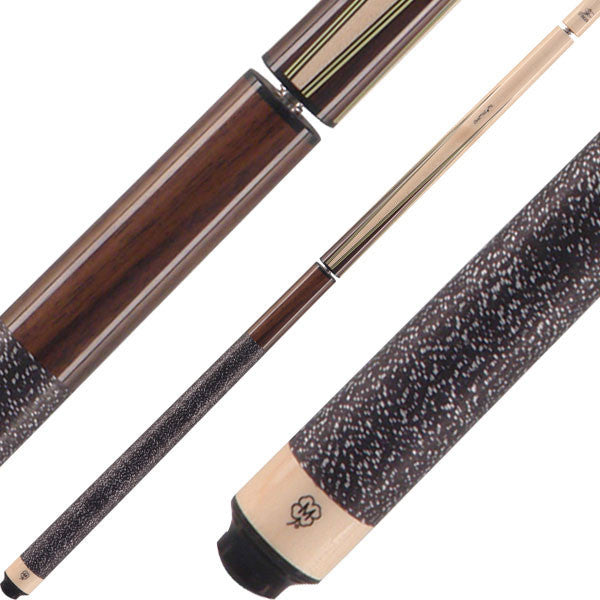
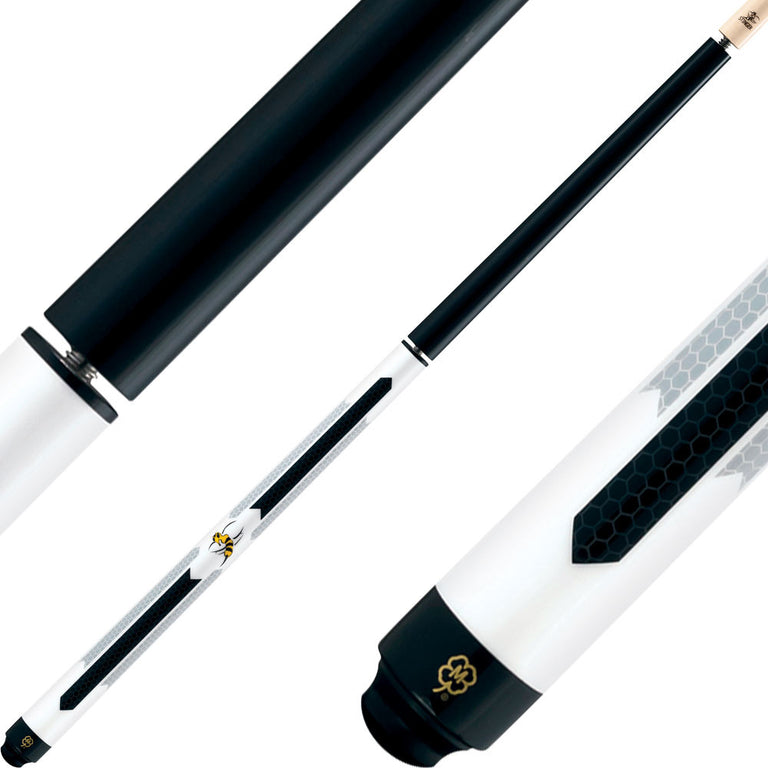
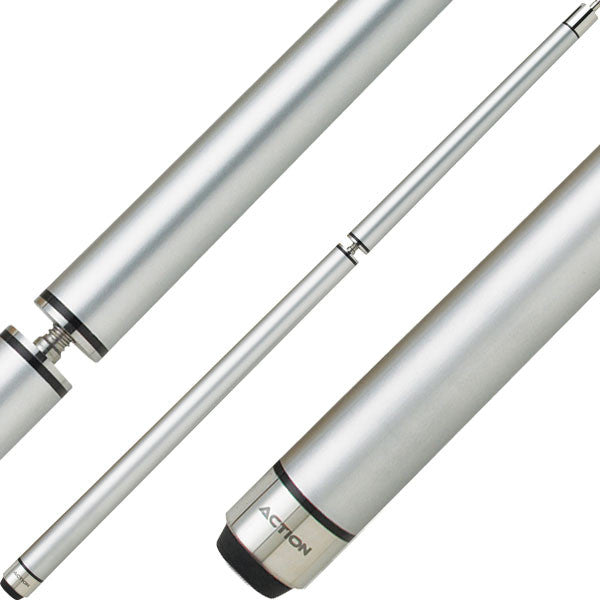
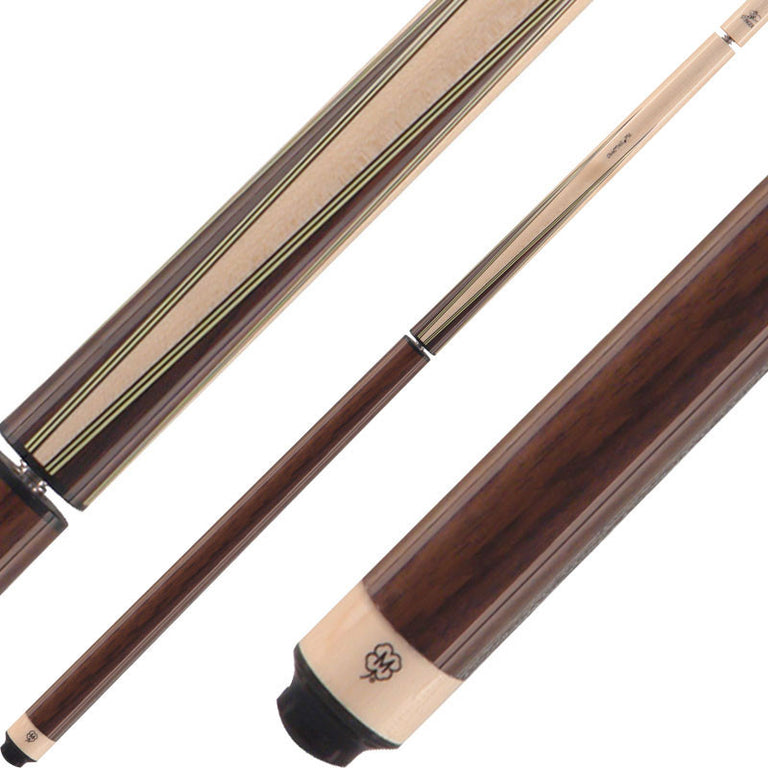
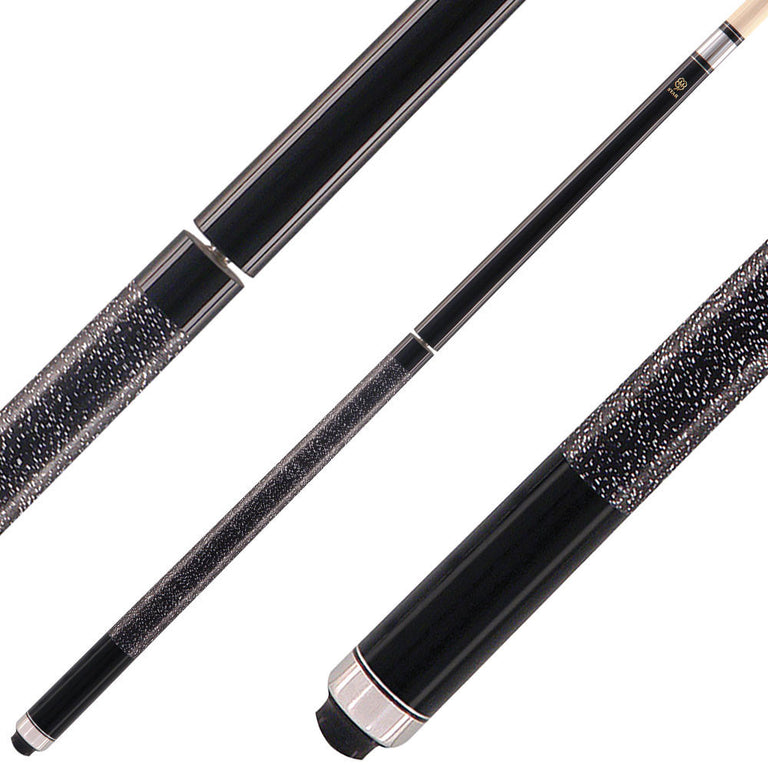
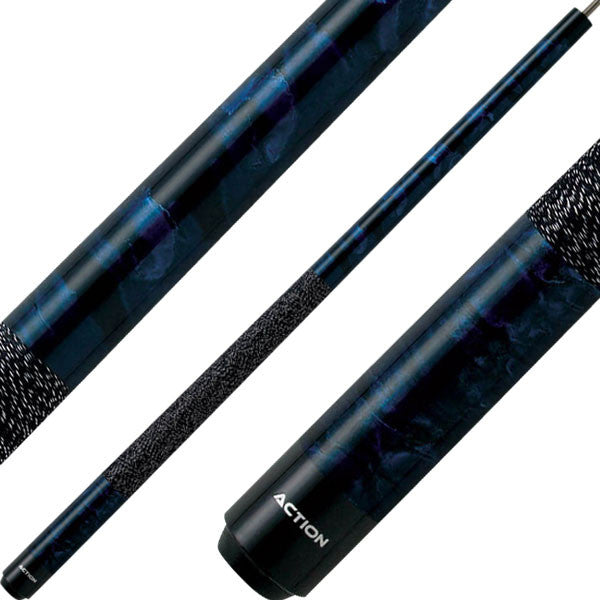
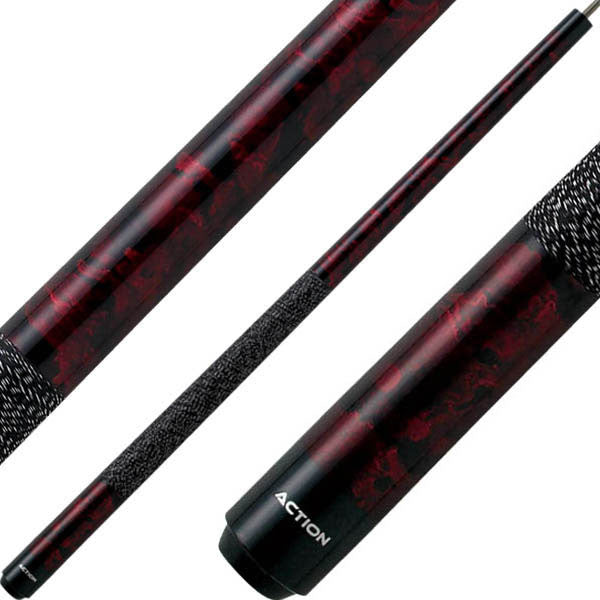
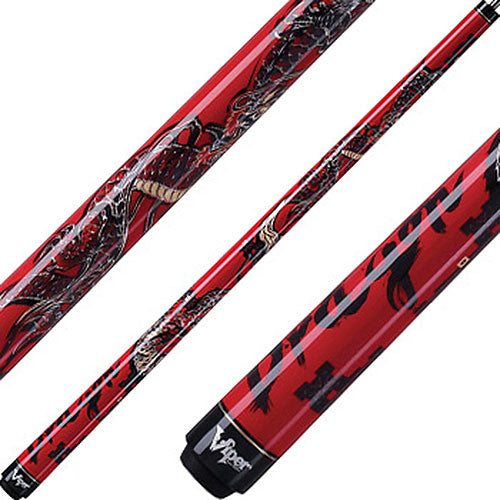
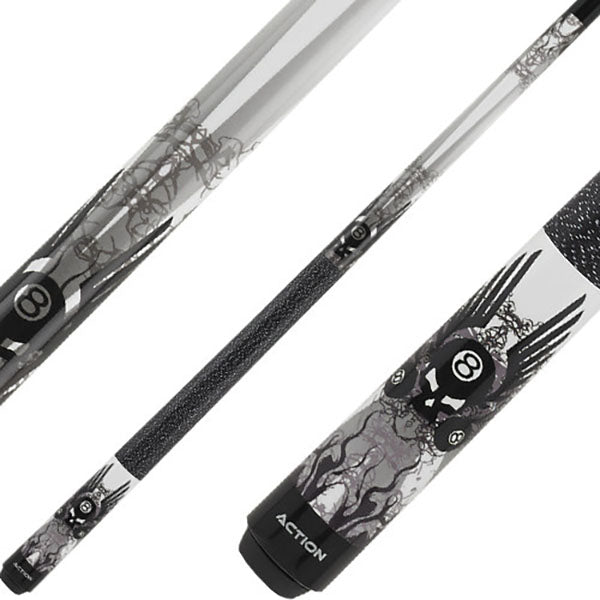
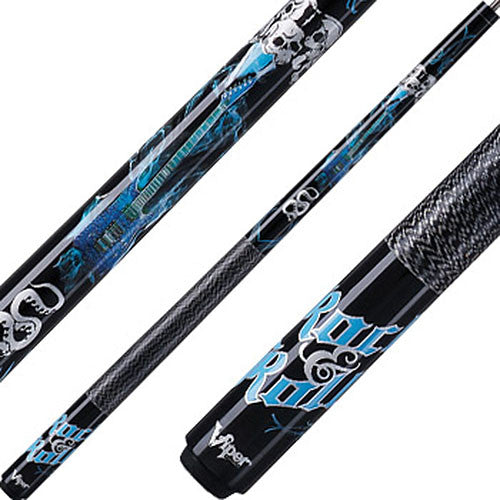
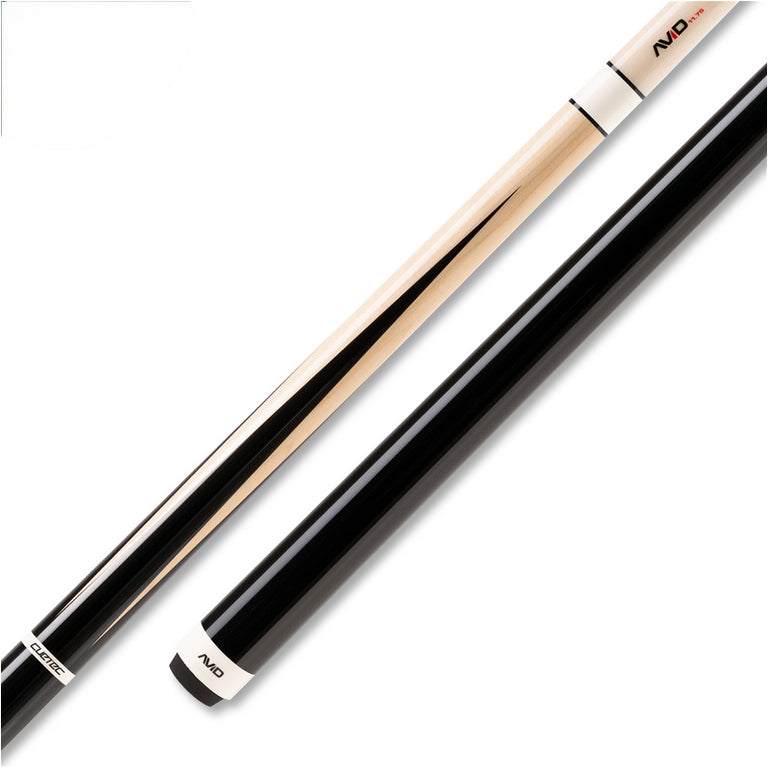
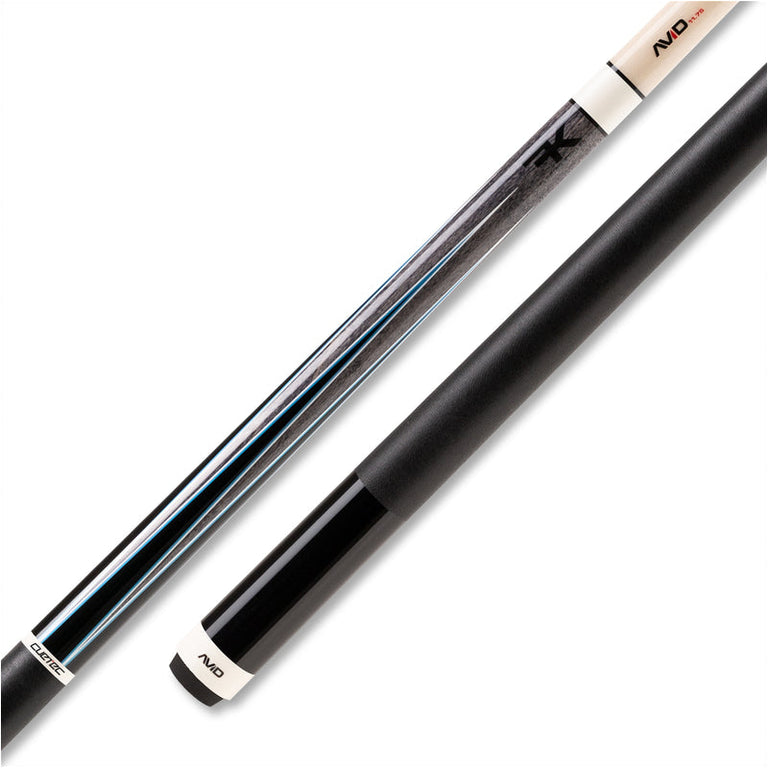
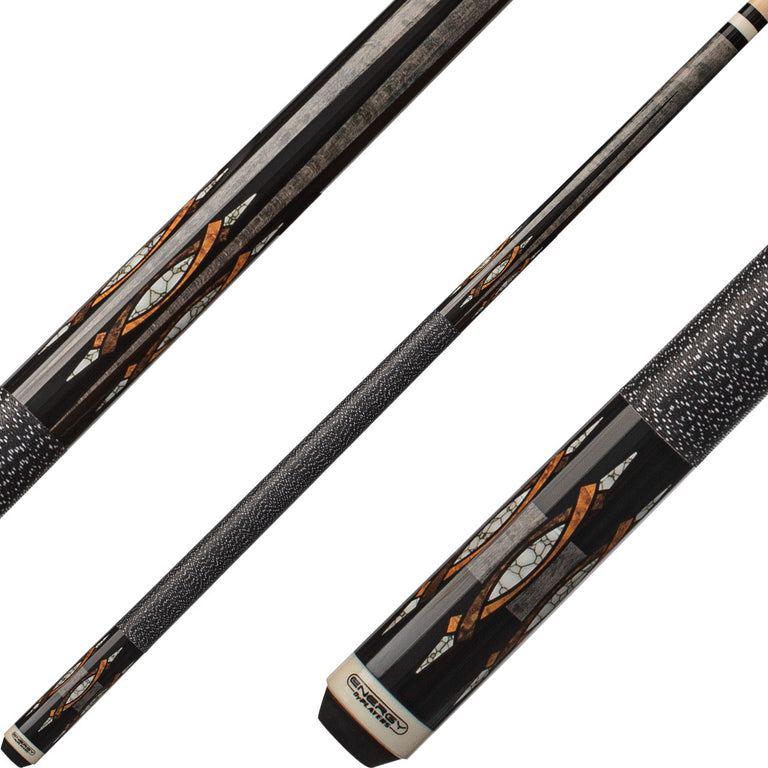
The Play Cue is your primary tool—the one you’ll use for 90% of your shots. Unlike house cues, these are typically "two-piece" cues that screw together at a central joint for easy transport. They are designed for precision, featuring a high-quality leather tip and a specific weight (usually between 18 and 21 ounces) tailored to the player’s preference. A good play cue provides the feedback and consistency needed to control the cue ball’s speed and spin.




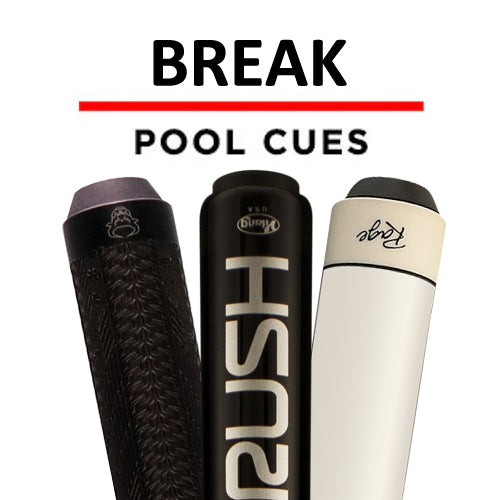
Break Cue
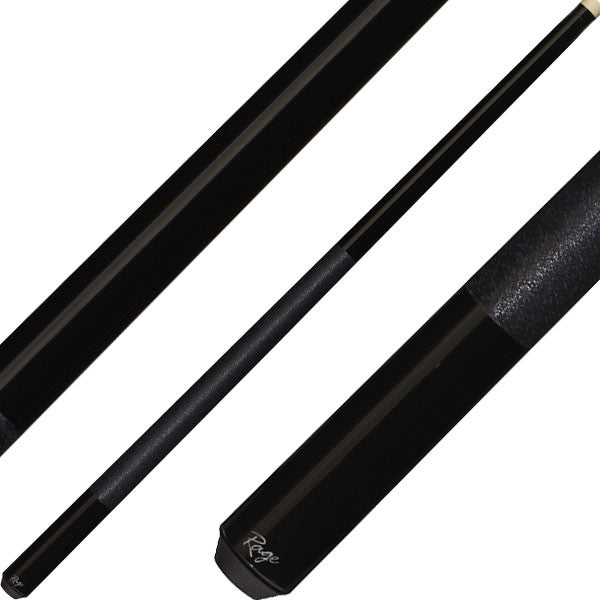
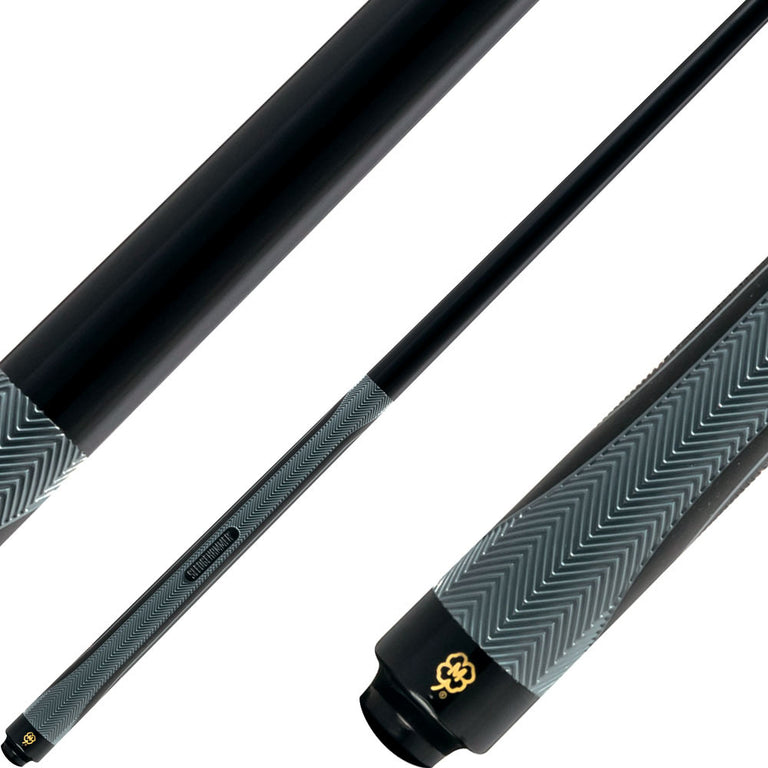
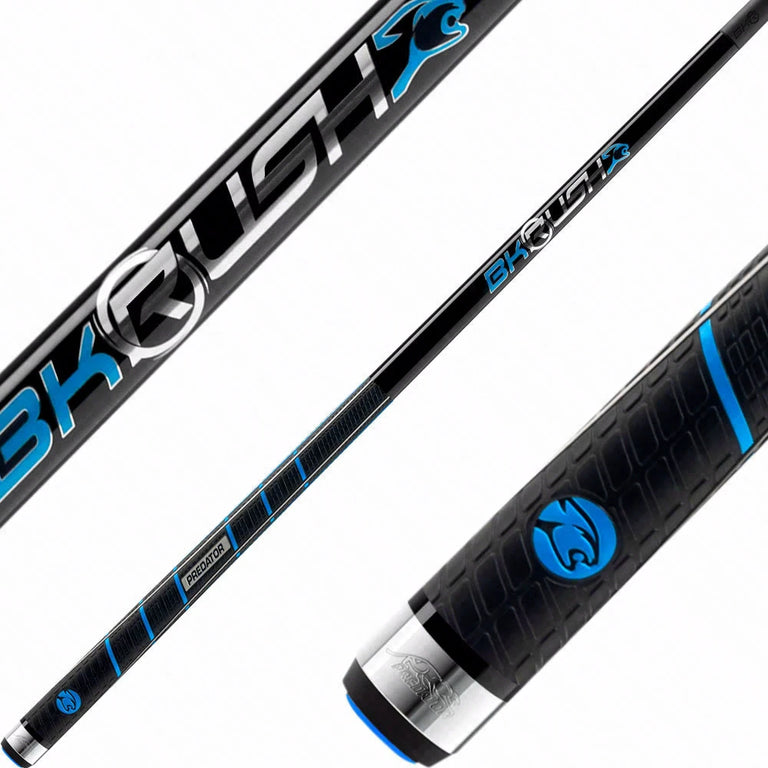
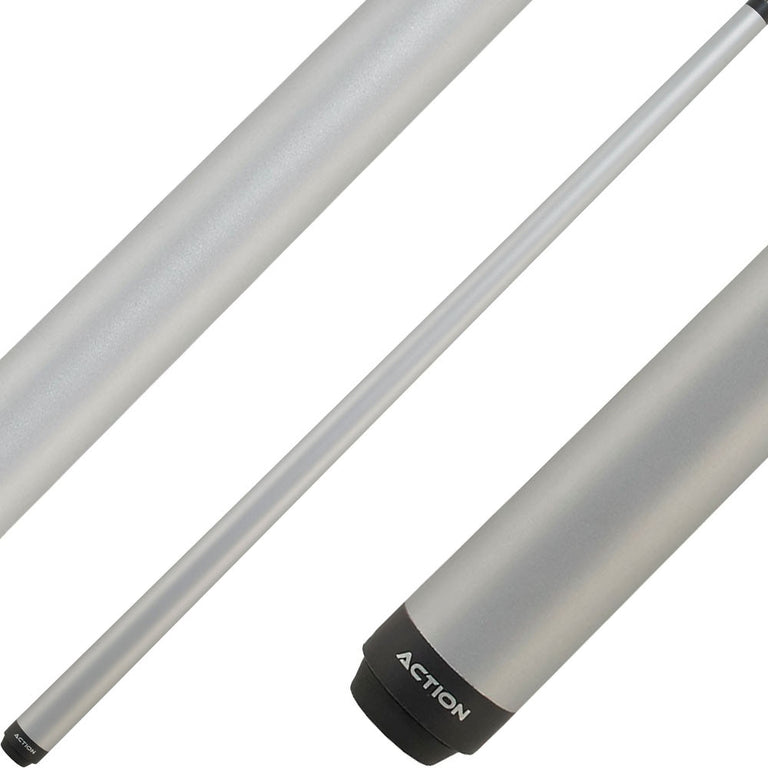
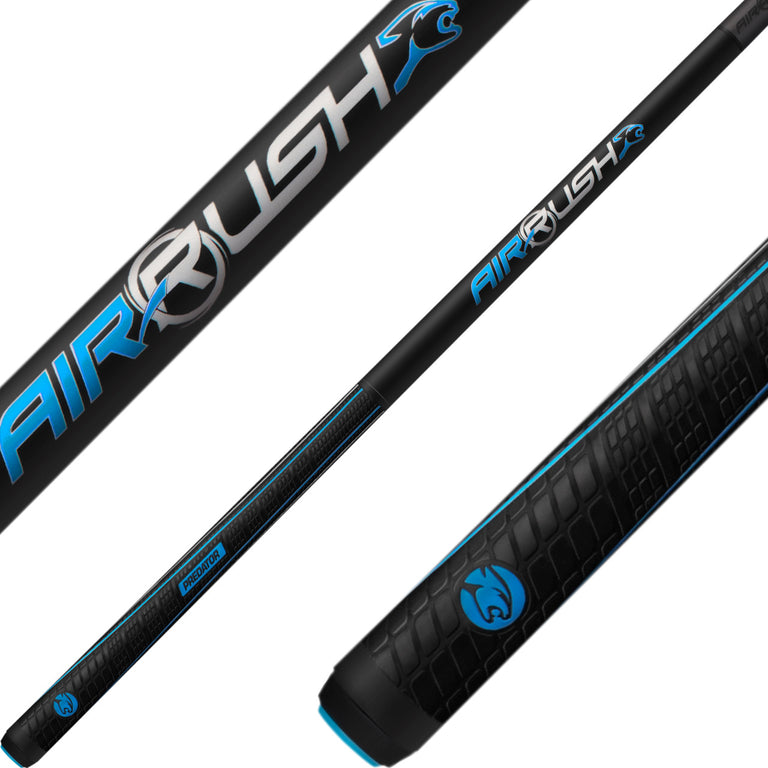
Because the opening break requires a massive amount of force, using your primary play cue can eventually flatten your leather tip or cause structural wear. Break Cues are built to handle the abuse. They often feature:
- Phenolic Tips: Extra-hard resin tips that transfer maximum energy into the rack.
- Stiffer Shafts: Designed to prevent the cue from flexing under high-speed impact.
- Heavier Weights: Many players prefer a slightly heavier cue to generate more momentum, though "lightweight" breakers are becoming popular for increased swing speed.


Jump Cue
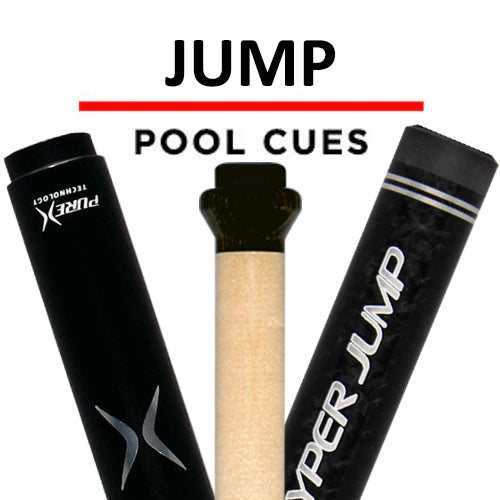
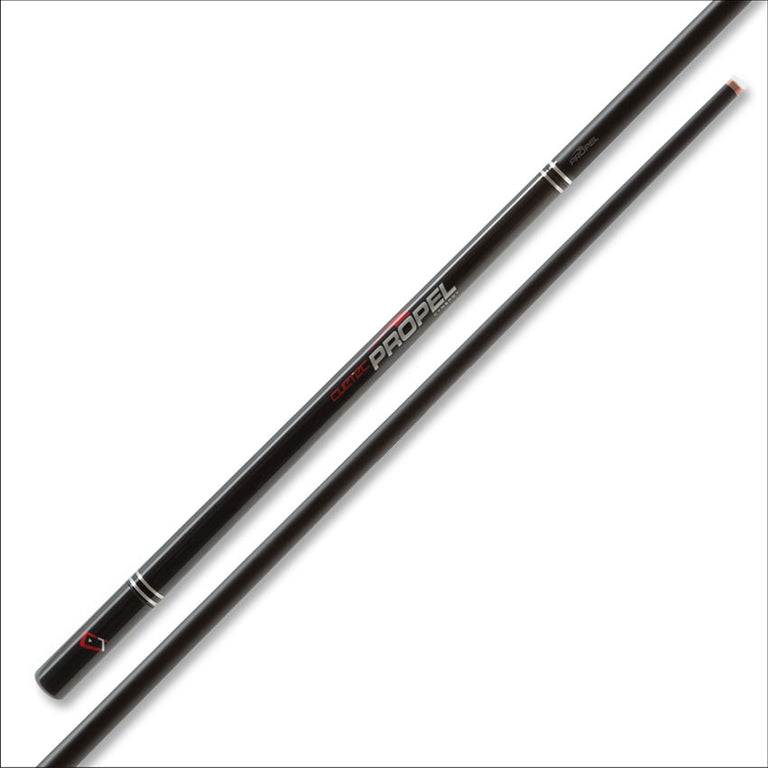
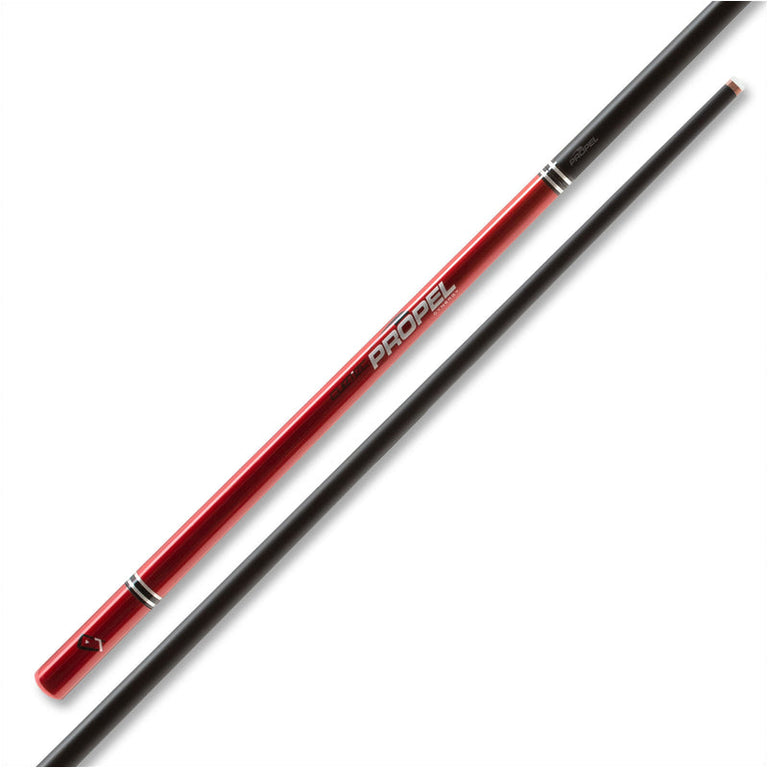
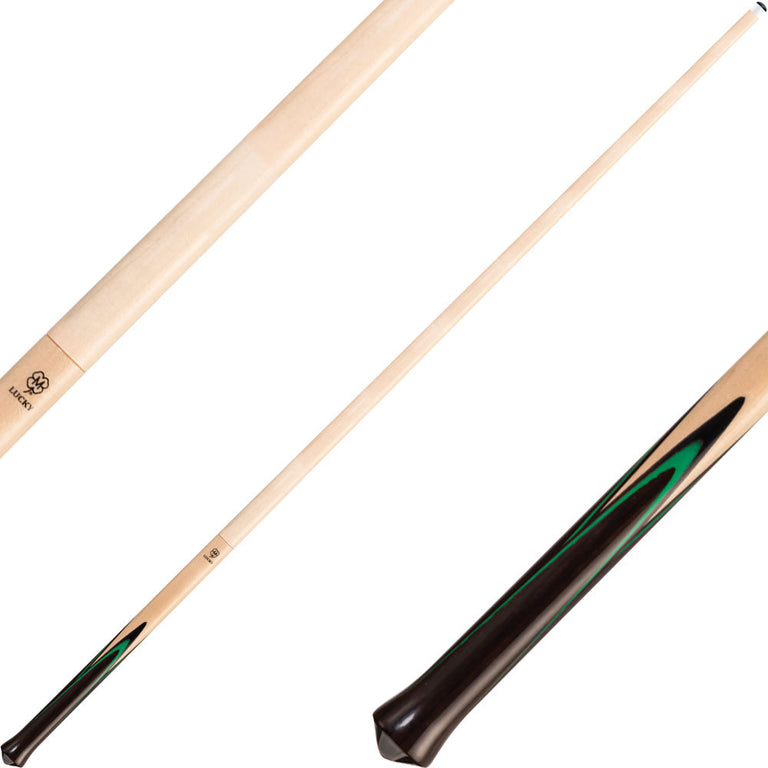
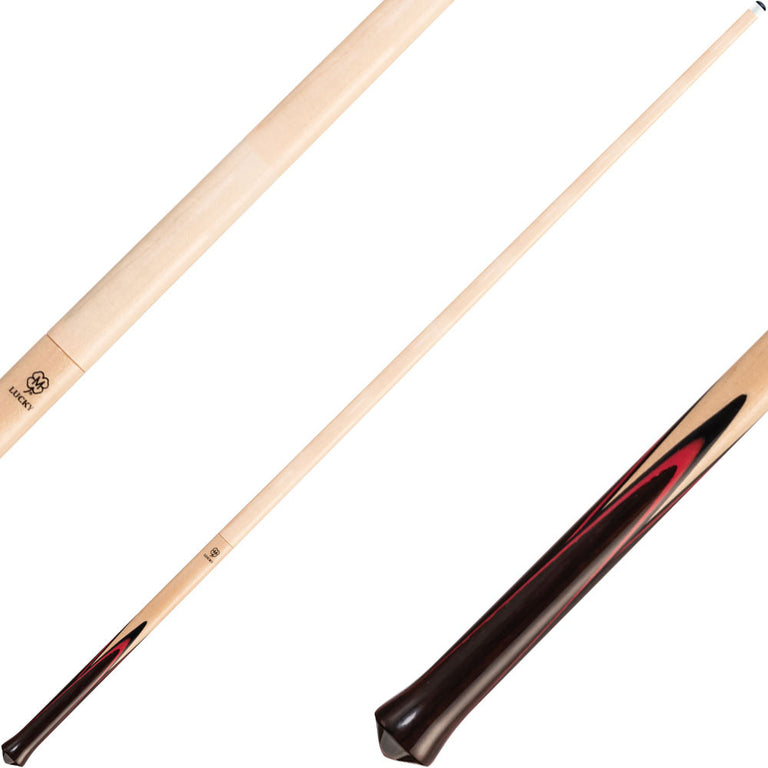
When you are "snookered" behind an opponent's ball, a Jump Cue is the solution. These cues are significantly shorter (around **40 to 45 inches**) and much lighter than standard cues. This lightweight design, combined with an ultra-hard tip, allows the player to strike downward at a steep angle, "pinching" the cue ball against the slate so it hops over the obstructing ball.



Hybrid Cue
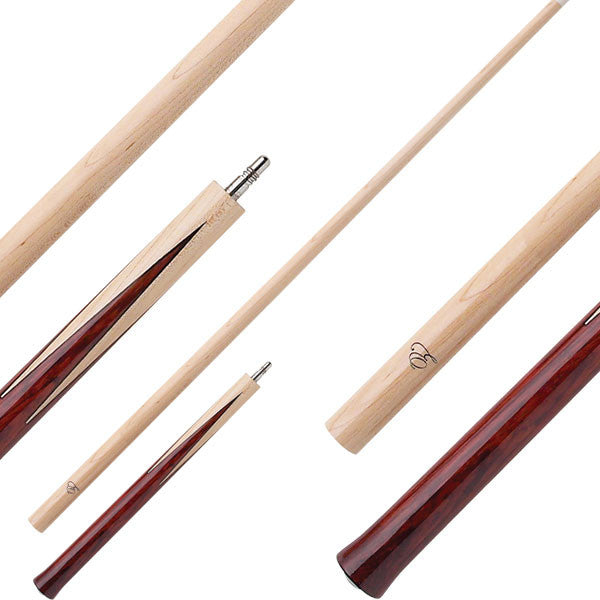
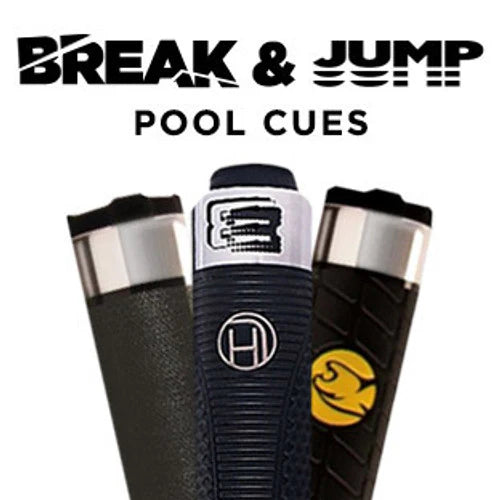
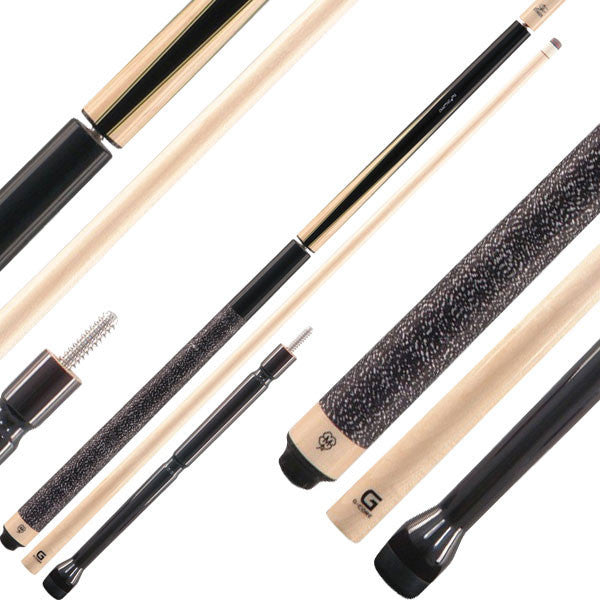
For the player who wants to save space in their case, the Break & Jump Hybrid is a versatile 3-piece cue.
- For breaking, it is used at its full length.
- For jumping, the "jump handle" (the bottom portion of the butt) is removed using a quick-release joint, instantly transforming it into a short, light jump cue.
Child Cues (Junior Cues)
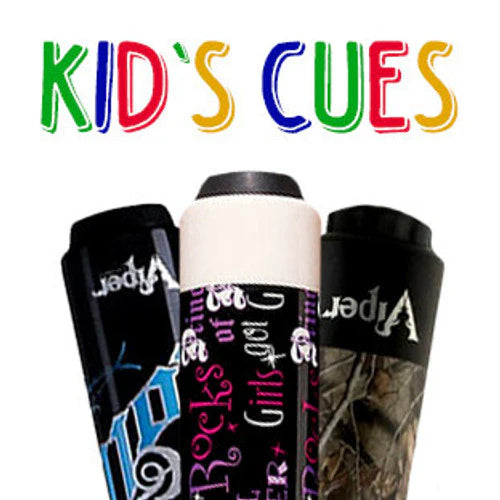
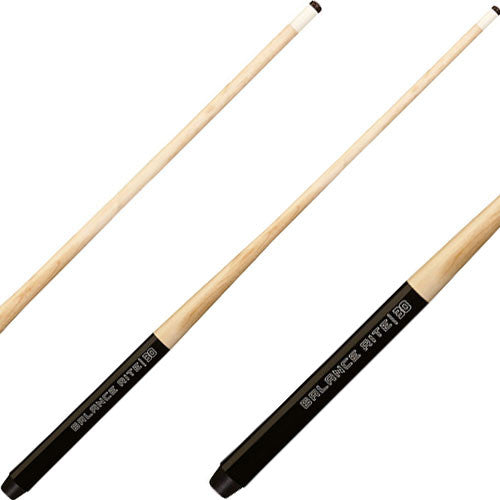
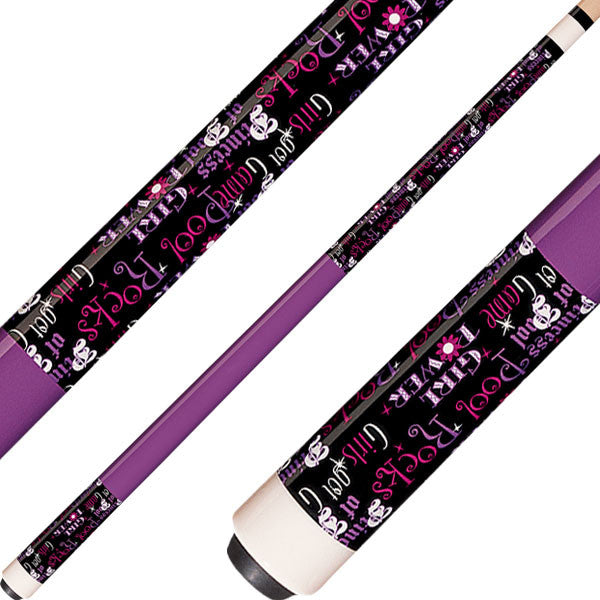
Specifically designed for younger players, these are shorter and have a thinner diameter (grip) to accommodate smaller hands. This helps children learn proper form without struggling against the weight and length of an adult cue.


Sneaky Pete
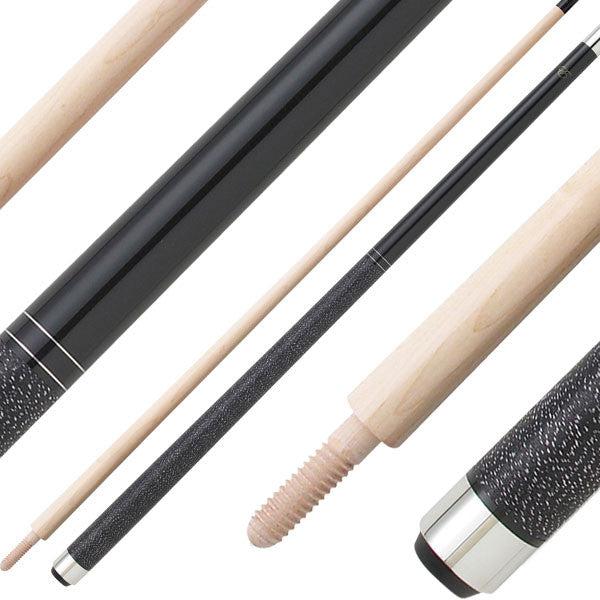
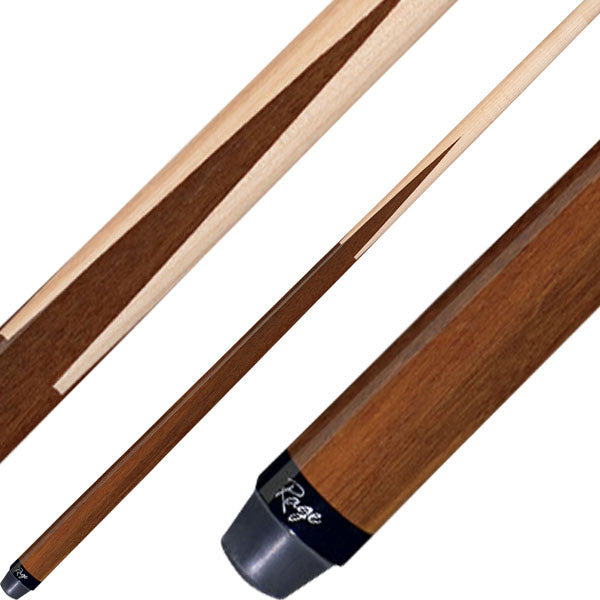
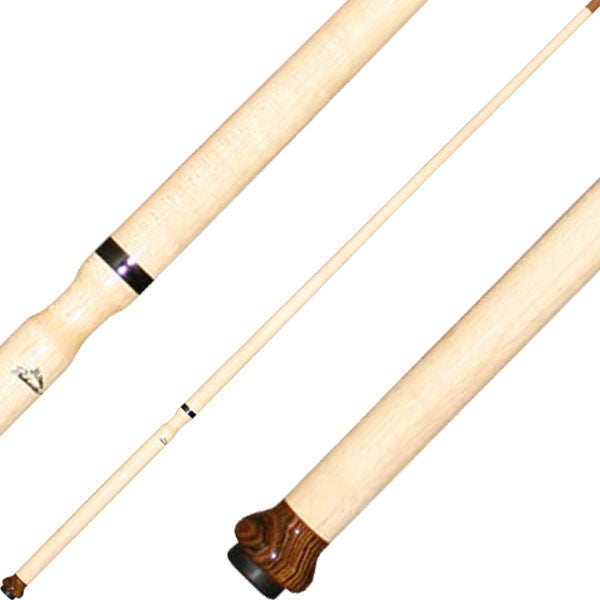
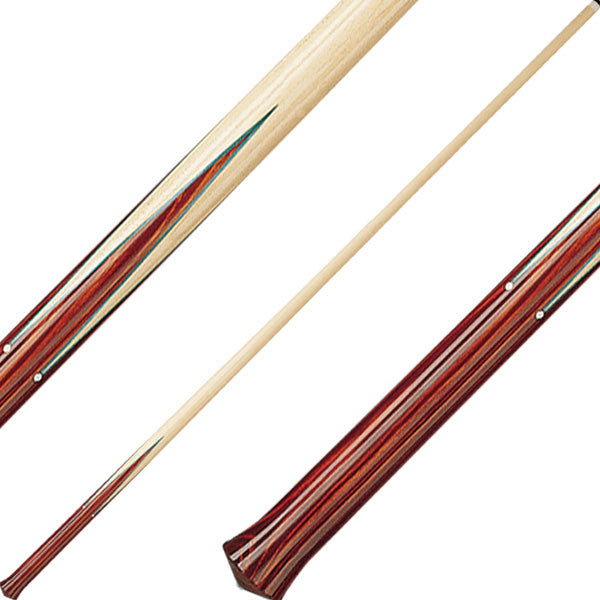
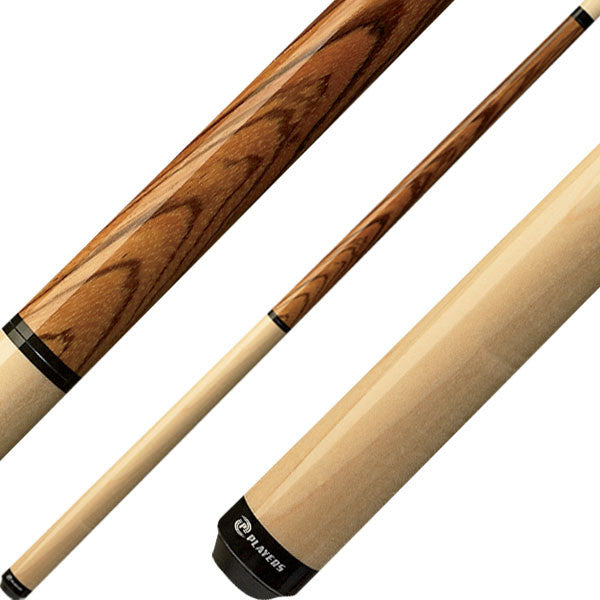
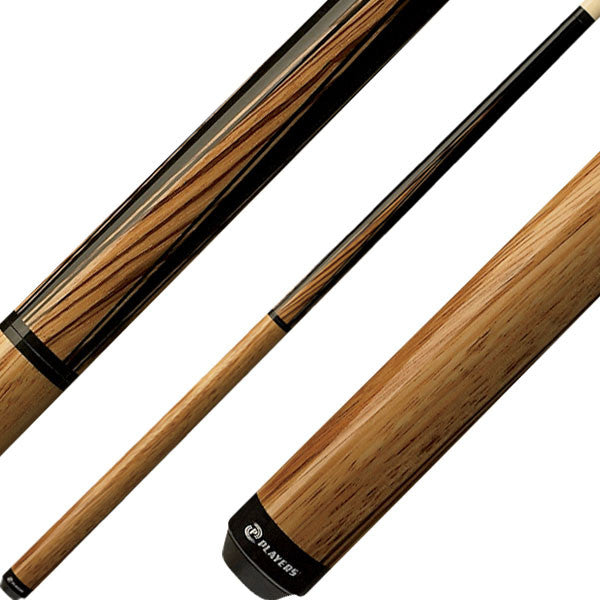
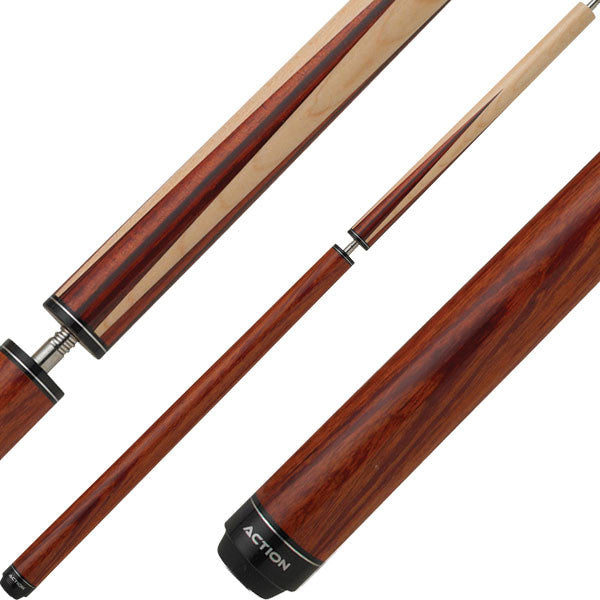
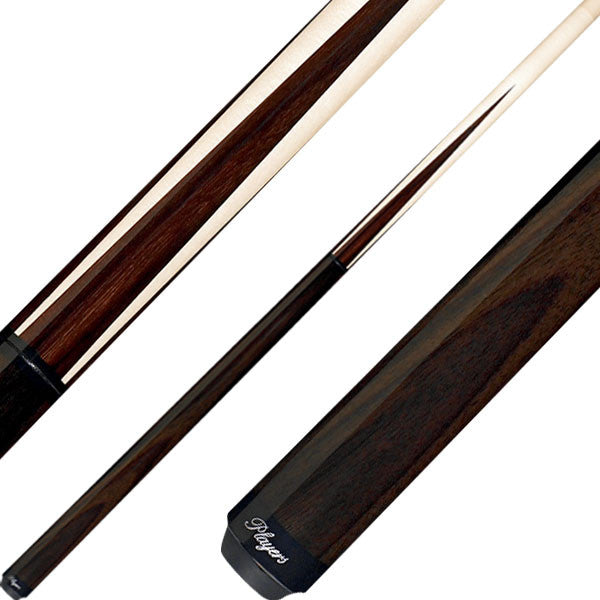
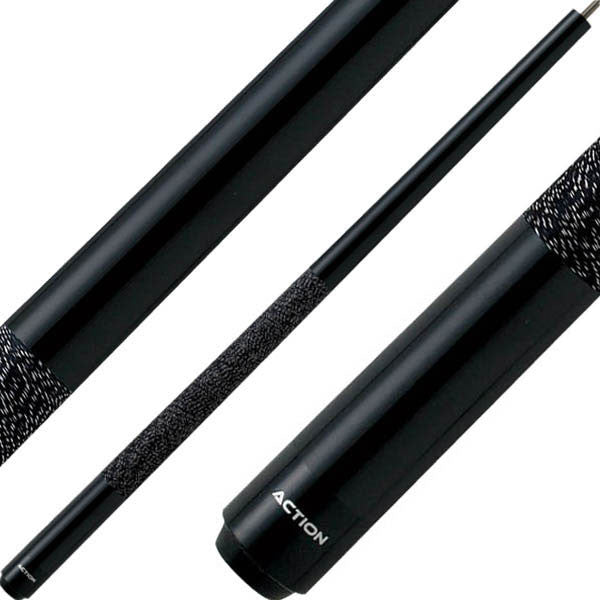
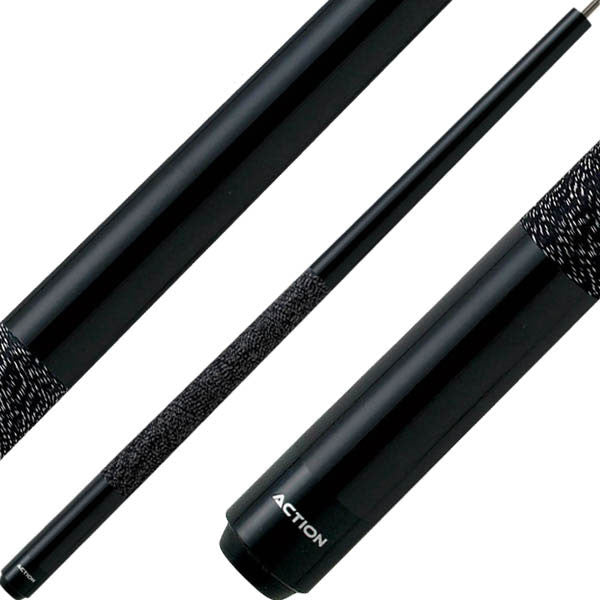
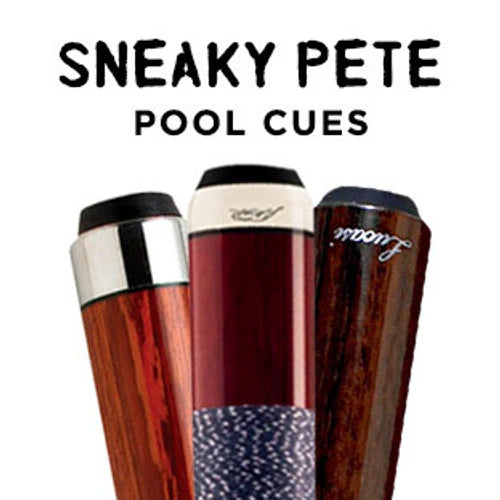
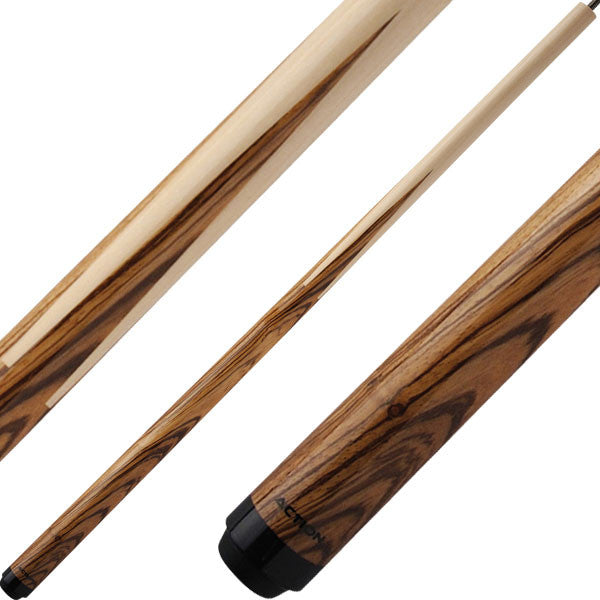
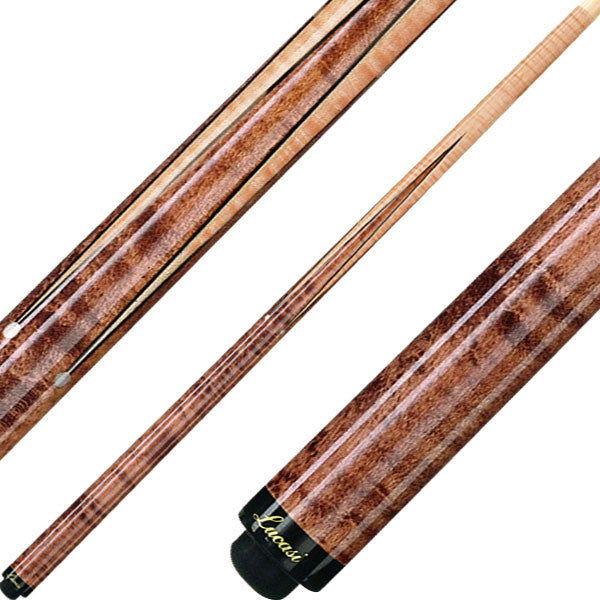
The Sneaky Pete is a "hustler’s classic." It is a high-performance two-piece cue designed to look exactly like a cheap, one-piece house cue. It usually features a traditional four-point wood design without any flashy inlays or wraps. This allows a player to use a professional-grade tool without drawing unwanted attention to the quality of their equipment.
Choosing the Right Mix
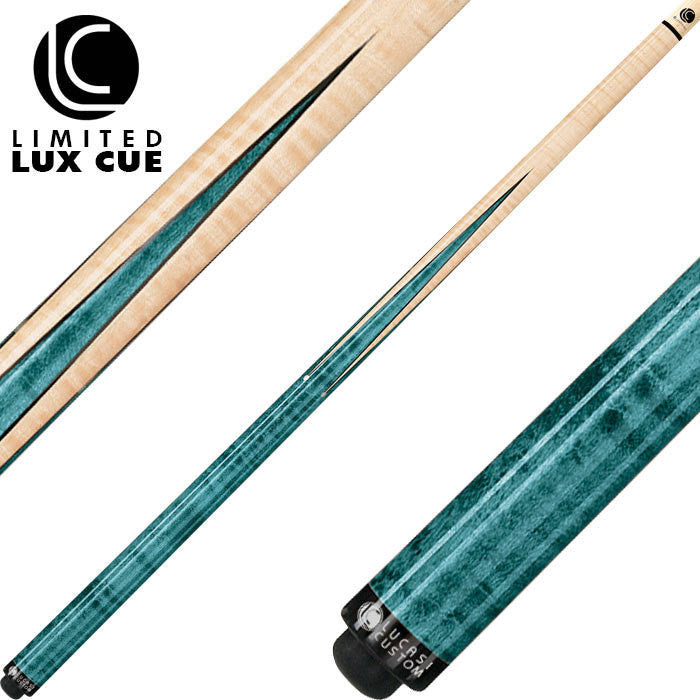
For a complete home setup, we recommend a set of reliable Budget Play Cues, at least one Shorty Cue for tight corners, and a Break/Jump Hybrid to keep your playing cues in top condition. Whether you’re looking for the stealth of a Sneaky Pete or the precision of a Carbon Fiber Play Cue, having the right tool for the shot makes all the difference in your game.