Cue & Shaft Materials Explained
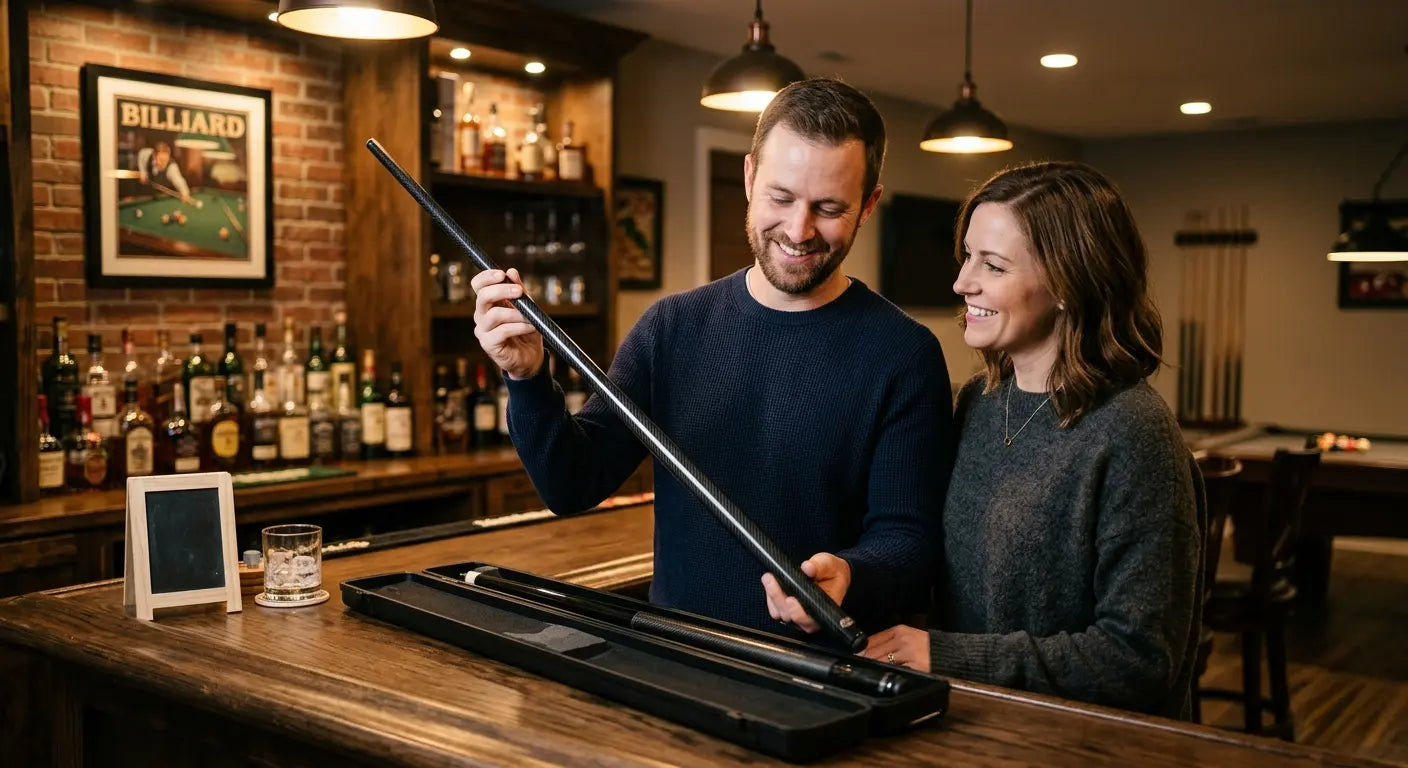
Choosing the right pool cue is a bit like choosing a car: the engine (the shaft) and the chassis (the butt) need to match your driving style. For beginners and intermediates, the sheer variety of materials—from traditional North American Maple to space-age Carbon Fiber—can be overwhelming.
Here is a breakdown of the materials that define the modern game and how they impact your performance.
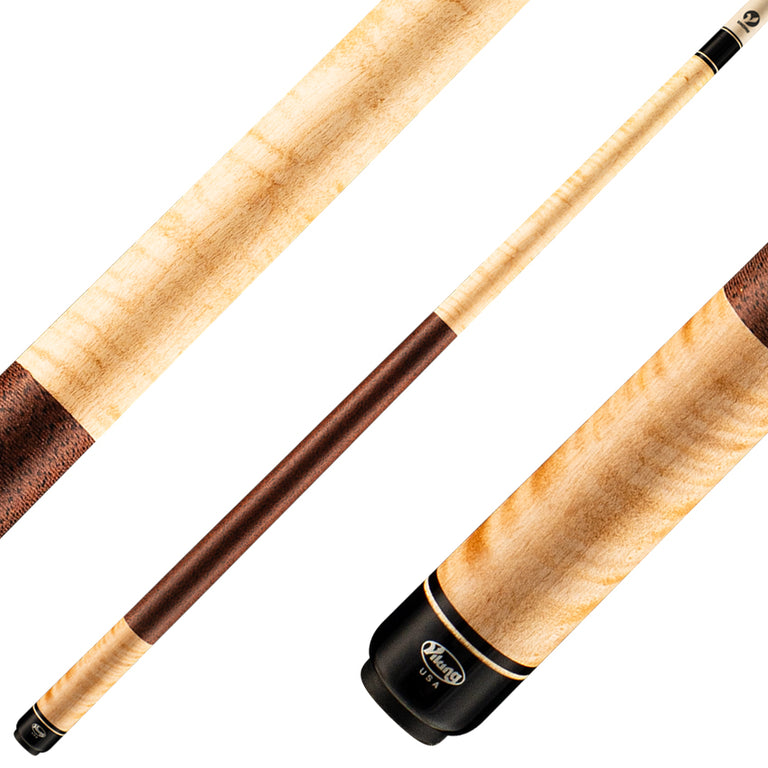
Hard Rock Maple: The Gold Standard
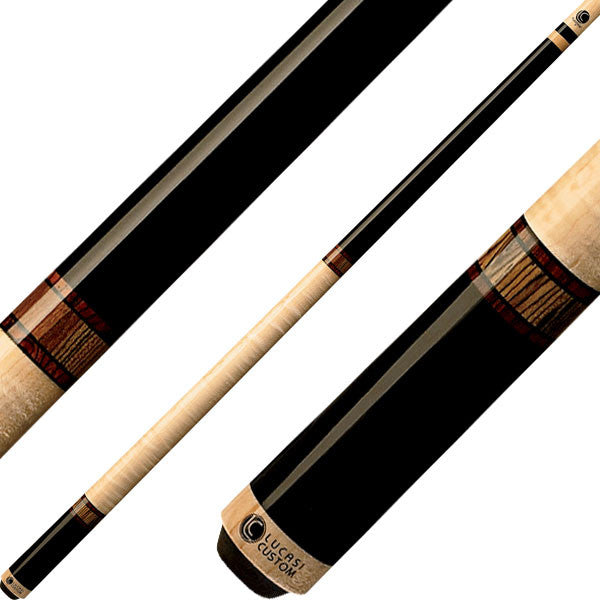
Most cues on the market are crafted from North American Hard Rock Maple. It has been the industry standard for decades due to its density, durability, and "organic" feedback.
- Pros: Natural feel, excellent vibration feedback (you can "feel" the hit), and widely available at every price point.
- Cons: Susceptible to warping if exposed to humidity or temperature changes; requires more maintenance (cleaning and conditioning).
Hard Rock Maple is great for Play Cues. Most players prefer the traditional "thud" and feedback of a wood-to-wood hit for finesse shots. When buying, look for straight grain and a "pro taper" (where the shaft stays the same diameter for the first 12–15 inches).
Cues & Shafts



Carbon Fiber: The High-Tech Revolution
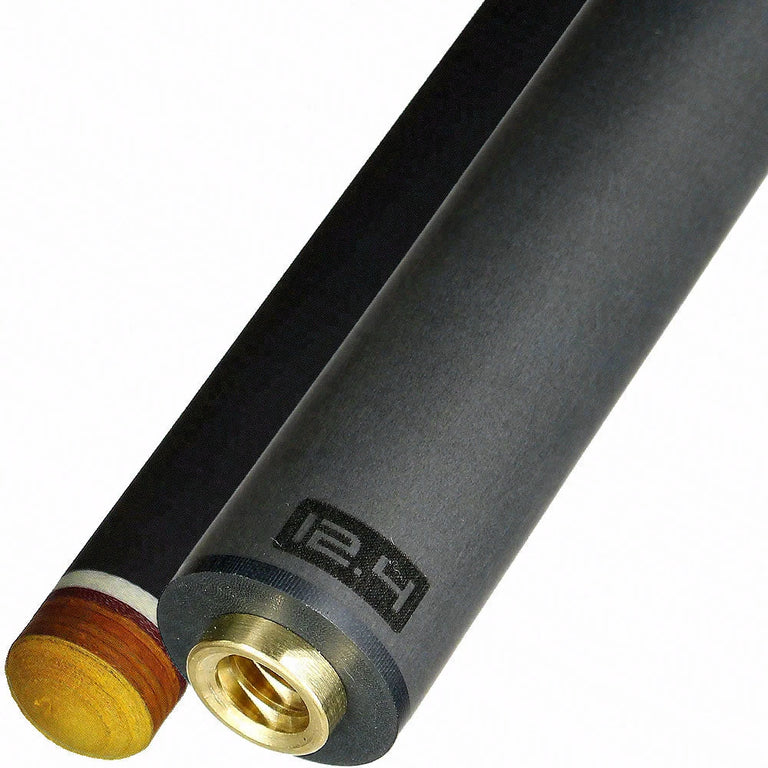
Carbon fiber is the biggest shift in billiards technology in 50 years. Originally used in aerospace, it is now the premium choice for players seeking consistency.
- Pros: Virtually warp-proof, incredibly "slick" (less friction in the hand), and offers ultra-low deflection (the ball stays truer to your aim line).
- Cons: Higher price point; the "stiff" feel and lack of vibration can be jarring for players used to wood.
Carbon Fiber makes amazing Break and Jump Cues. Because it is incredibly stiff, it transfers energy to the rack more efficiently than wood. For jump cues, the lightweight stiffness makes it easier to get the ball airborne. Always look for a reputable brand with a proven coating, as cheaper carbon fiber can feel "scratchy."
Cues & Shafts


Fiberglass & Graphite Overlays
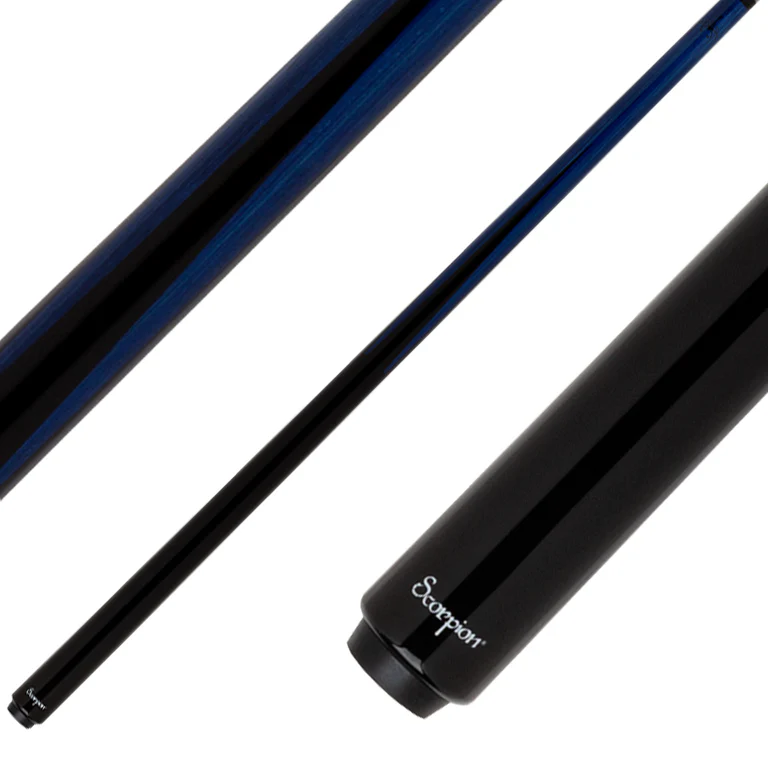
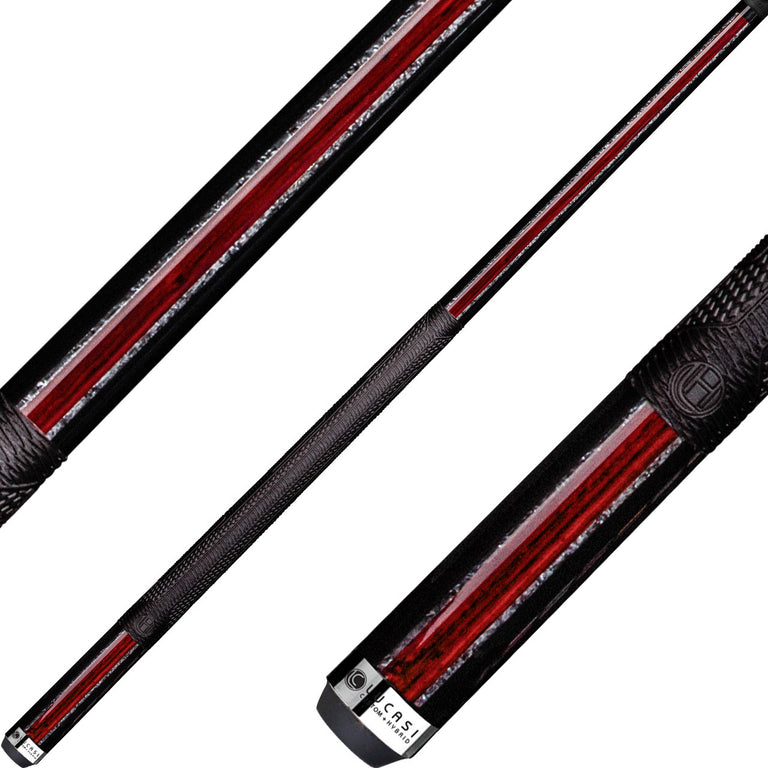
Commonly found in entry-level cues (like the Cuetec classic series), these feature a wood core "clad" or bonded with a synthetic outer shell.
- Pros: Extremely resistant to dings, scratches, and warping. Great for "house cues" or players who travel frequently.
- Cons: The synthetic coating can feel "sticky" if your hands get sweaty, and they offer very little feedback.
Great Beginner Play Cues. It's a "set it and forget it" material that doesn't require a humidor-controlled room to stay straight.
Cues
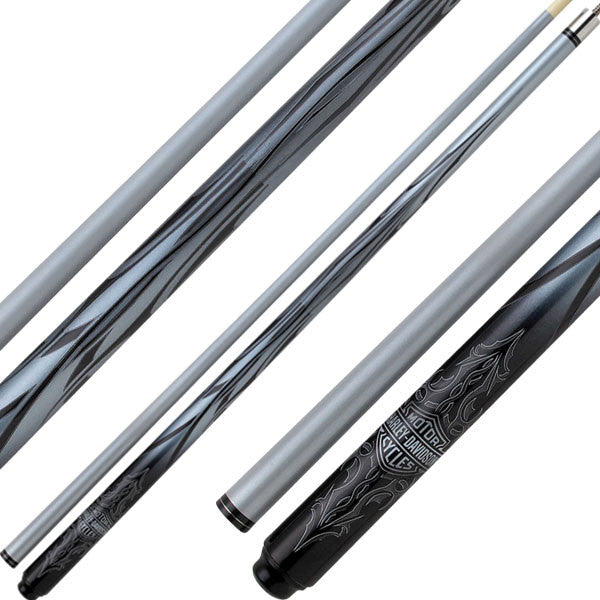
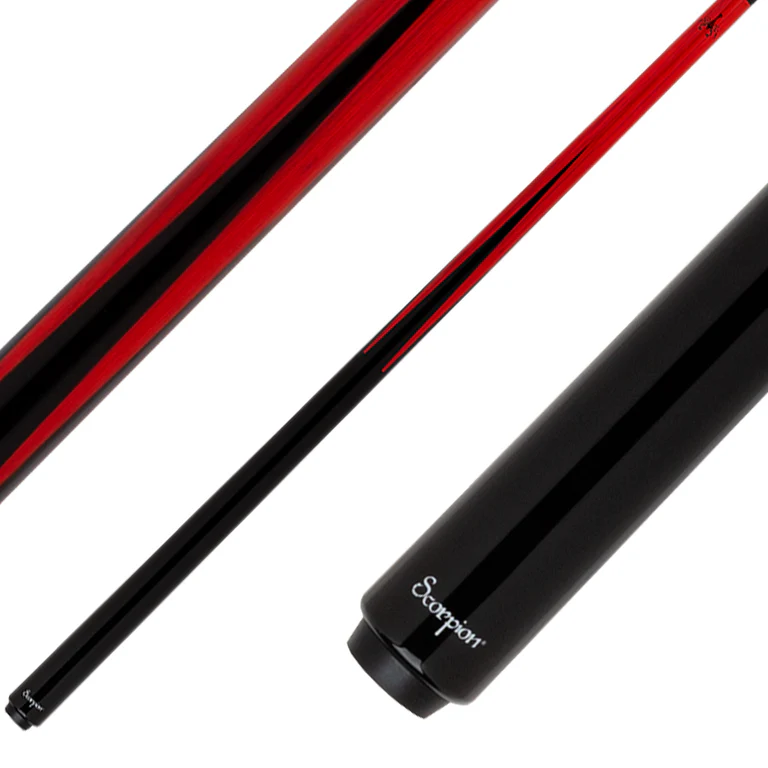
Material Impact by Cue Type
How a material performs depends heavily on what you're trying to do with the cue:
Cue TypePreferred MaterialWhy?Play CueMaple or Carbon FiberYou need a balance of feel and low deflection for precise English.Break CueHigh-Density Wood or CarbonYou want maximum energy transfer. Carbon fiber doesn't "flex" as much on impact, keeping the power focused.Jump CueCarbon Fiber or AshYou need a light, stiff material to "pop" the ball up quickly without the cue absorbing the energy.
Buying Tips
- Don't ignore the Tip: The material of the shaft matters, but the cue tip is the only part that touches the ball. A soft leather tip on a carbon shaft can "mellow out" the stiff feel.
- Check the Joint: If buying a wood cue, look for a stainless steel joint for a "hit" that feels more solid, or a wood-to-wood joint for a softer, more traditional feel.
- Invest in the Shaft First: Many intermediate players keep their favorite cue butt and simply upgrade to a high-performance low-deflection shaft. It’s the most cost-effective way to change your game.
Whether you prefer the soul of a wood cue or the precision of carbon fiber, the best material is ultimately the one that gives you the most confidence when you're down on the shot.
Are you looking to upgrade your current shaft, or are you looking for a completely new setup to match your evolving style?