Do You Need a Billiard Glove? A Beginner's Guide
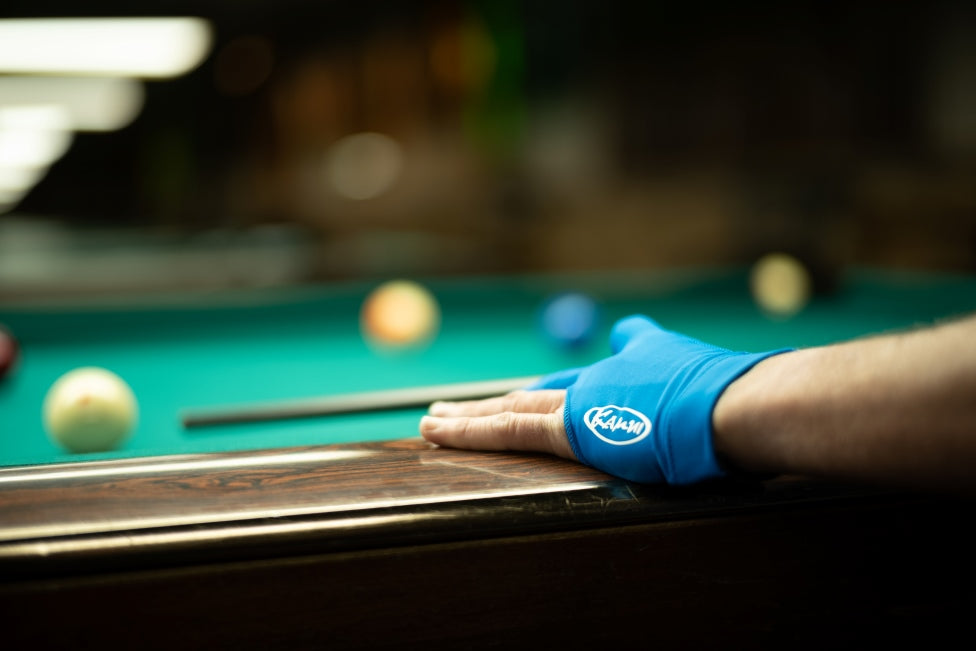
Walk into any pool hall and you'll eventually spot someone wearing what looks like a fingerless glove on their bridge hand — the hand that rests on the table and guides the cue. That's a billiard glove, and it's one of the smallest, cheapest upgrades a player can make. If you've never tried one, here's what it actually does and how to figure out if (and which) one is right for you.
What a Billiard Glove Actually Does
Your bridge hand's job is to create a smooth, stable channel for the cue to slide through. The problem is that bare skin has friction, and that friction changes depending on humidity, how sweaty your hands get, or even what you had for lunch. A billiard glove — usually made from a slick, low-friction mesh, Lycra, or leather-like material — gives the cue a consistent surface to glide across every single time.
The benefits players usually notice:
- A smoother, more consistent stroke because friction no longer varies shot to shot.
- Less hand fatigue during long sessions or tournaments, since you're not fighting a sticky bridge.
- Dry-hand insurance — no more chalking up your bridge hand to fight sweat.
It's a small piece of gear, but for a lot of players it's the difference between a jerky, hesitant stroke and one that glides.
Do You Actually Need One?
Short answer: no one needs a glove to play pool, and plenty of great players never use one. But if you notice your bridge hand sticking on humid days, if you're chalking your hand mid-game to fix a sticky stroke, or if you're just starting out and want one less variable to think about while you're learning fundamentals, a glove is a low-risk, low-cost thing to try. Most run well under $35, so it's an easy experiment.
Picking the Right Hand
This trips up a lot of first-time buyers: billiard gloves are sold for a specific bridge hand, not a dominant hand. If you shoot right-handed, your bridge (front) hand is your left hand, so you'd want a left-hand glove — and vice versa for left-handed shooters. Double-check the listing before you buy, since "left bridge hand" and "right bridge hand" versions look nearly identical.
Fit and Sizing
Most gloves come in small/medium/large or numbered sizing, and a snug (not tight) fit matters more than with most gloves — too loose and the material bunches up under the cue instead of staying flat. If you're between sizes, size down slightly; a glove that's a little snug will stretch in with use, while a loose one will always feel sloppy.
Style and Material
Beyond fit, the choice mostly comes down to material and look:
- Mesh/Lycra gloves — lightweight, breathable, and the most common style. The Bulletproof Billiard Glove is a solid, affordable entry point in this category, with an adjustable velcro closure that helps get the fit right.
- Graphic and novelty gloves — same performance benefits with more personality, like the Voodoo Bone Skeleton Glove or the Athena Tribal Rose Glove, both popular with players who want their gear to stand out at the table.
- Premium gloves — brands like Longoni make higher-end gloves such as the Longoni Billiard Glove Flash Italy Flag, which lean into a more polished, tournament-ready look and feel.
None of these change how well the glove functions in any meaningful way — the biggest performance jump is simply going from bare hand to any glove at all. After that, it's mostly about what fits your hand and your style.
Caring for Your Glove
Billiard gloves are inexpensive, but they'll last longer with basic care:
- Let it air out between sessions rather than balling it up in a cue case pocket.
- Hand wash mesh/Lycra gloves in cold water if they start to smell — skip the dryer.
- Replace it once the material thins out or develops holes at the fingertips, since that's usually where the friction-reducing surface wears first.
Where to Start
If you're trying a glove for the first time, there's no need to overthink it. Confirm which hand you bridge with, pick a fit that's snug rather than loose, and choose a style you'll actually want to wear. Browse the full Billiard Gloves collection to compare options across brands and price points — most players find their favorite within the first one or two tries.