Pool Table Maintenance | Tips & Tricks
A pool table is more than just a piece of furniture; it is a precision instrument. Whether you have a professional-grade slate table or a family-friendly model, the quality of your play depends entirely on how well you maintain the surface. To keep the rolls true and the felt fast, follow this essential maintenance routine.
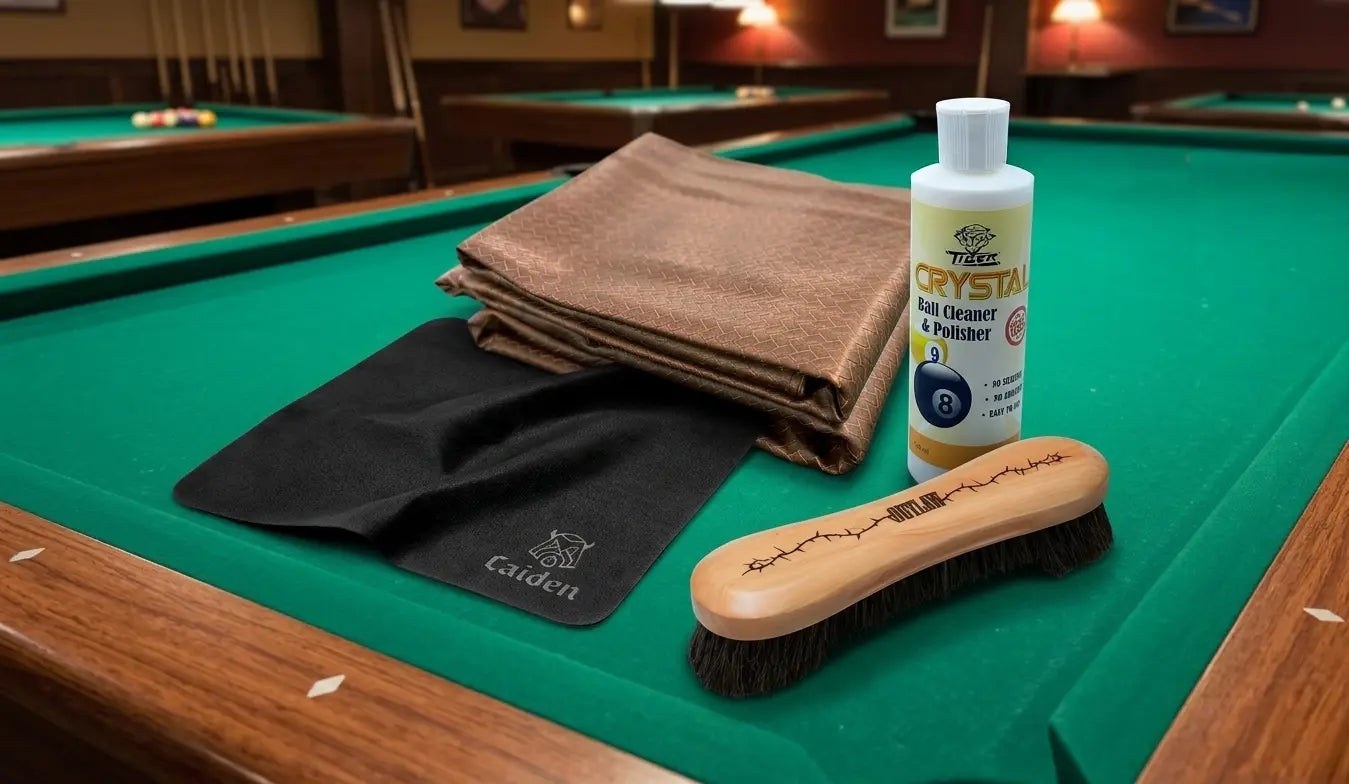
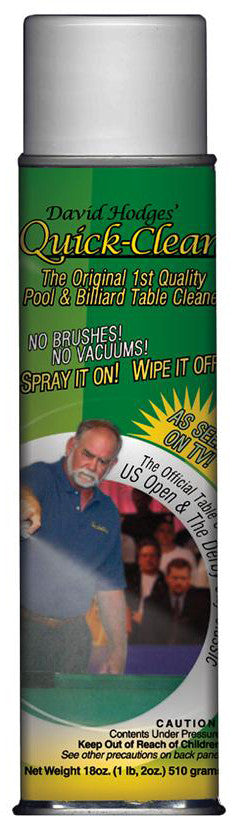
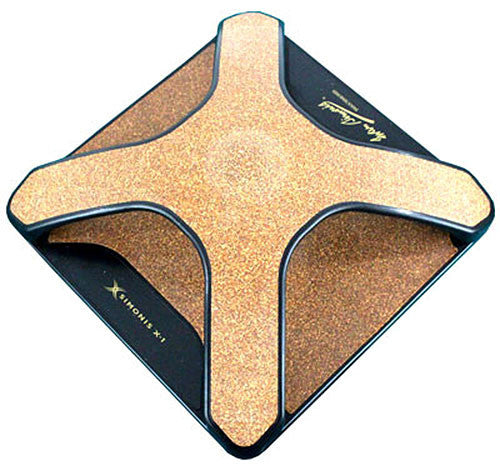
The cloth (or felt) is the most vulnerable part of your table. Dust, chalk, and skin oils can build up, creating friction that slows down the balls and affects your accuracy. When cleaning the play surface, always brush in one direction—from the head of the table toward the foot. Never use a circular motion, as this can bunch up the fibers and create "pills." Use a specialized pool table brush with dual-length bristles. The longer bristles help reach under the rails, while the shorter ones clean the main playing surface. Most pros recommend against it because high suction can stretch the cloth. However, if you must, use a handheld vacuum with a soft brush attachment and very low suction.
Wipe the wooden rails with a damp (not soaking) cloth to remove fingerprints and chalk. Avoid using harsh furniture polishes that might leave a residue on the felt. Check your pockets for loose staples or debris. If you have leather pockets, use a leather conditioner once a year to prevent cracking.


Beyond the Table
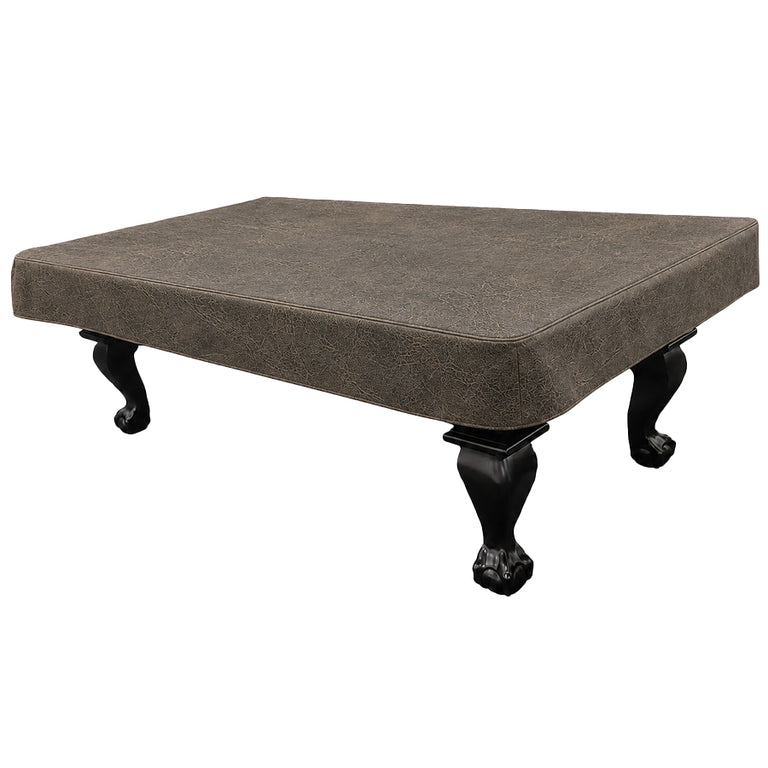
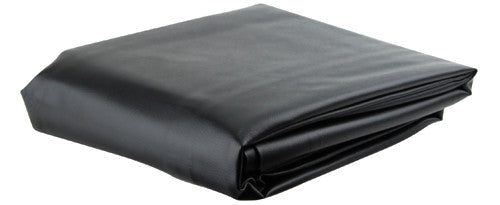
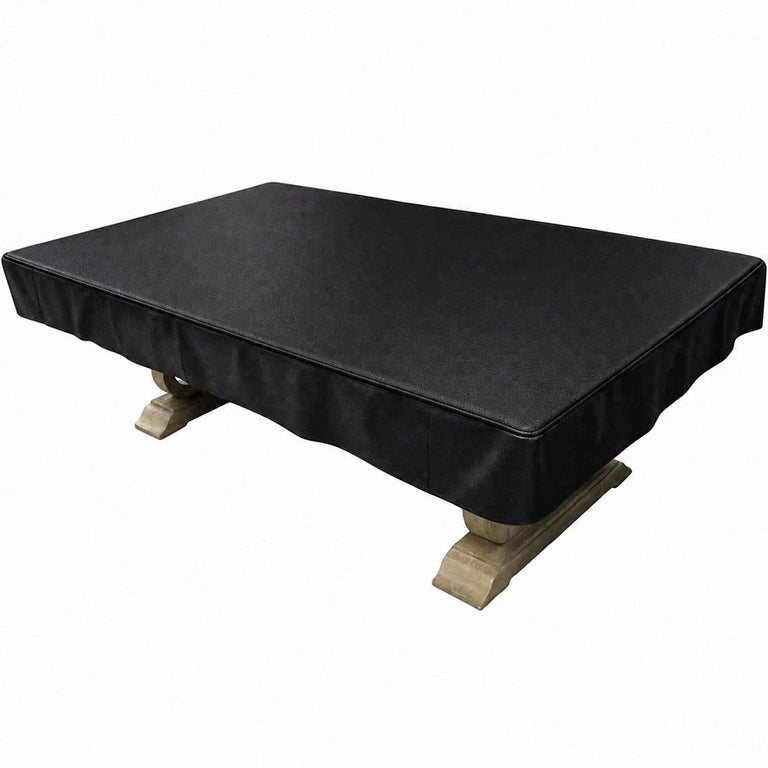
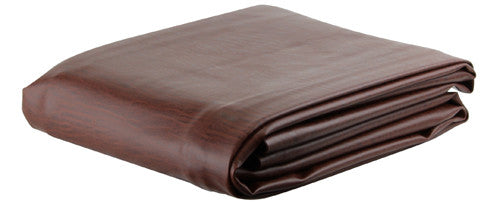
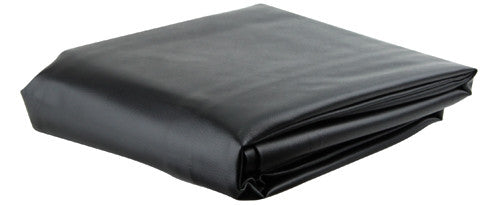
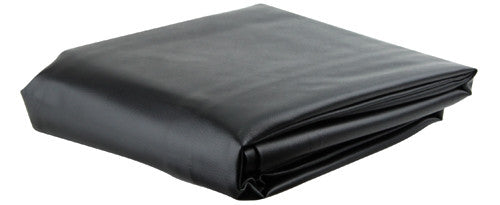
If you aren't playing, your table should be covered. It is the single most effective way to extend the life of your felt. Dust acts like sandpaper under the balls, and direct sunlight can make the cloth brittle and fade the color. Also, humidity can cause the slate to "sweat" or the wooden frame to expand and contract. A fitted pool table cover acts as a climate-controlled barrier for your investment so it's a relatively cheap investment in the longevity of your table.
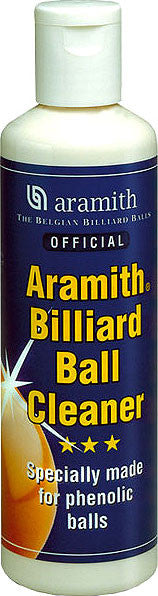
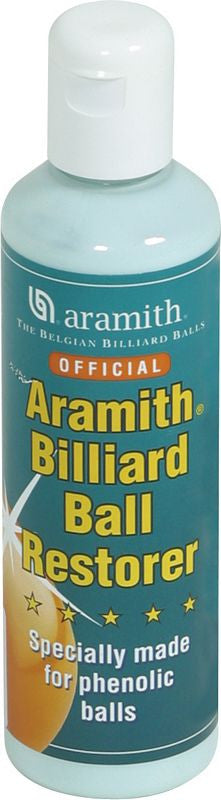
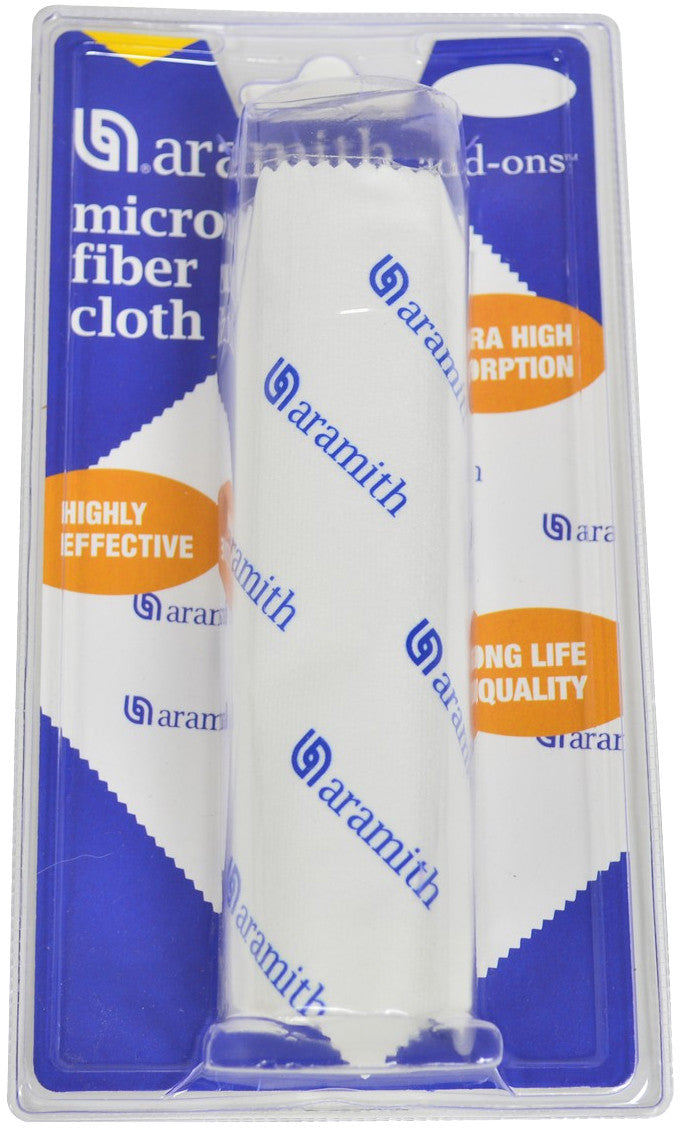
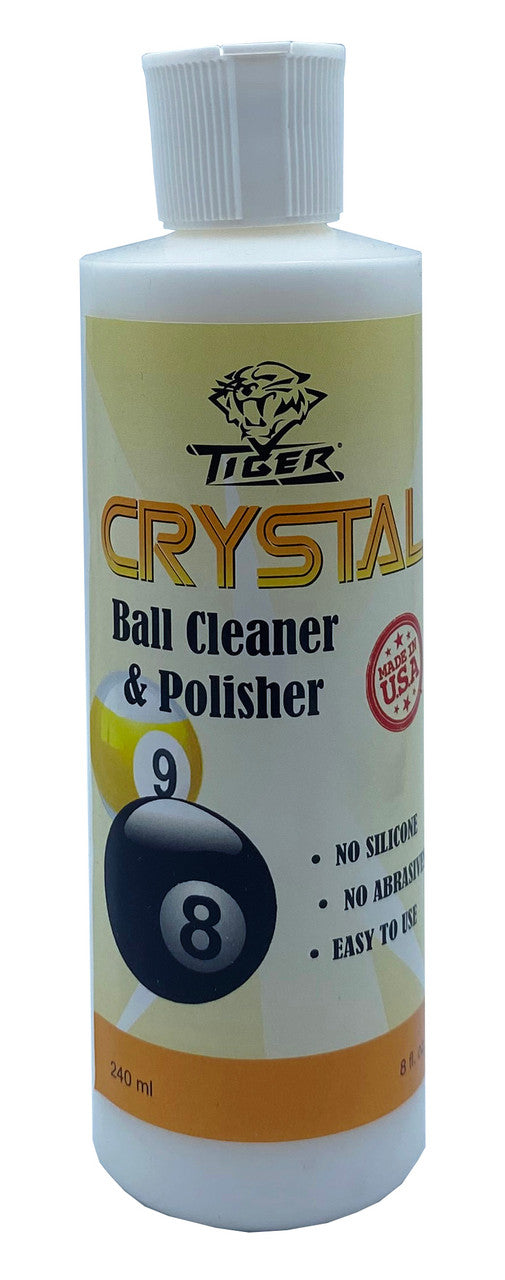
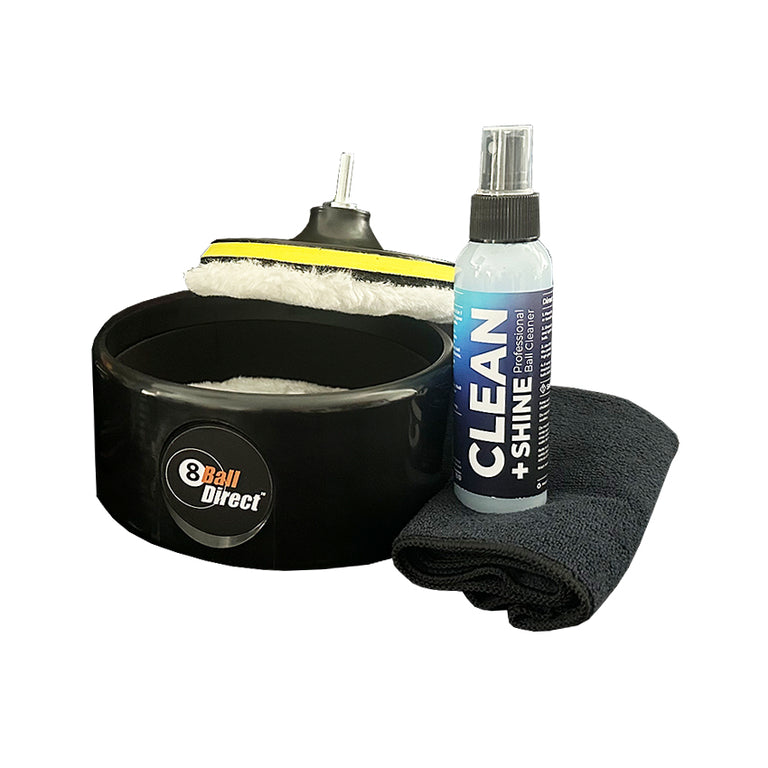
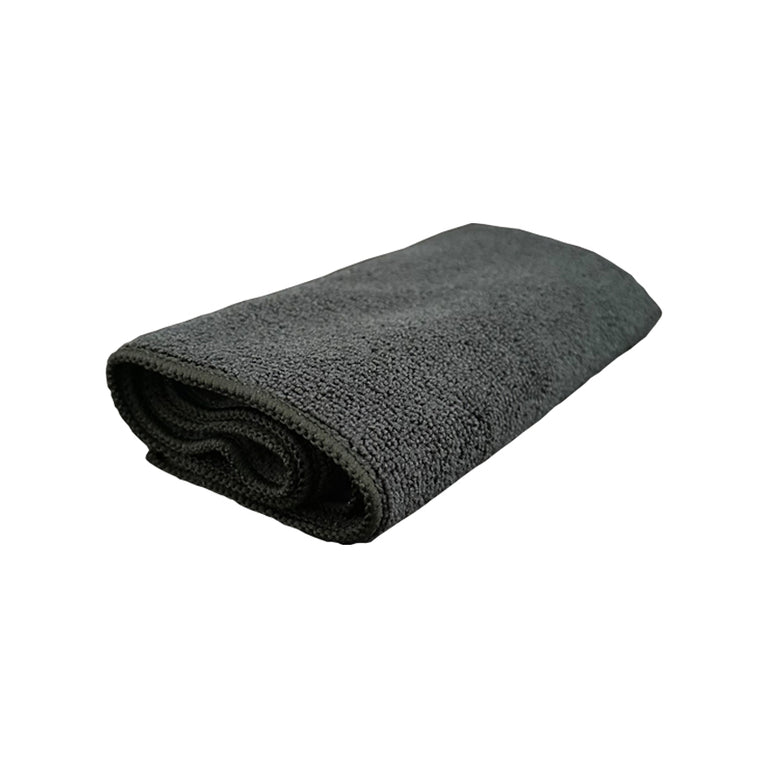
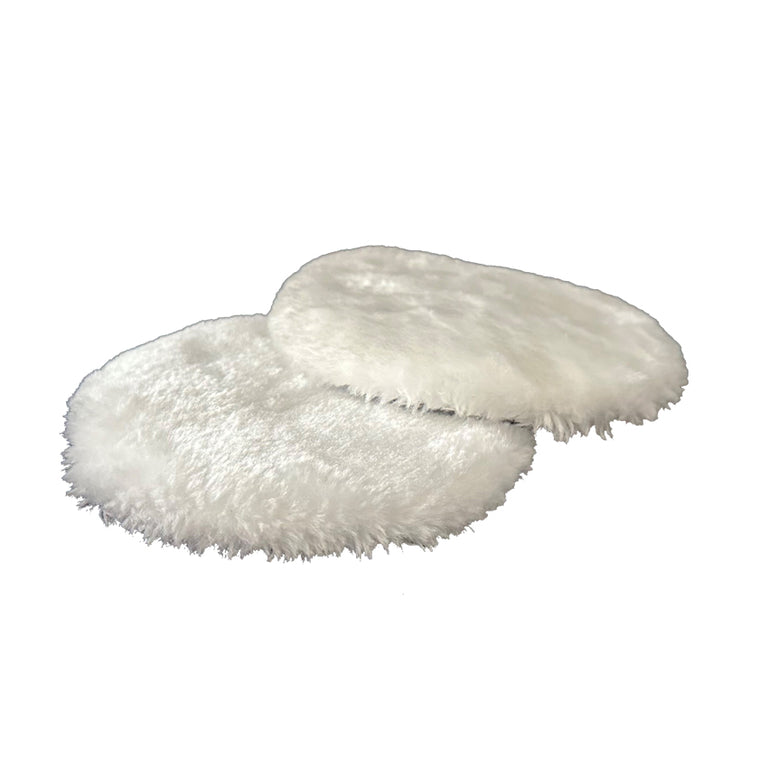
Keeping your pool balls clean is also a great way to extend the life your your play surface. Giving the balls a quick and easy wipe down using pool ball cleaner and a microfiber cloth after every play session ensures smooth play and lessens "burn" where balls leave ware spots in the felt.







Top Rules to Use to Protect Your Table
To keep your table in tournament condition, establish these house rules:
- No "Massé" or Jump Shots (for Beginners): Until you have mastered the technique, these shots often result in "digging" the cue into the felt, leaving permanent scars.
- No Drinks on the Rails: It only takes one spilled soda to ruin a $500 felt job and potentially warp the wood underneath.
- No Sitting on the Table: This can knock the slate out of level or cause the rails to loosen over time.
By spending just five minutes brushing and covering your table after you play, you’ll ensure that your "home field advantage" stays true for years to come.